You need opportunity that arrives quietly enough to trust. Green aventurine carries fuchsite inclusions through translucent quartz, adding shimmer that stays embedded rather than surface-bright. Embedded shimmer, not borrowed light.
Green aventurine is a heart chakra stone traditionally used to support emotional openness, the capacity to receive, and the willingness to grow into what is next. In...
The Meaning
Green Aventurine in the Crystalis dictionary
Opportunity looks more believable once it stops shouting.
Green aventurine carries fuchsite shimmer through quartz in a way that reads like possibility rather than spectacle. The green stays easy on the eye. The flicker stays low.
Confidence returns more usefully at that volume.
Stone Lore
Stories carried through time
Cultural notes are presented as tradition and historical context — stories carried through time.
Ancient Tibet
The Eyes of the Statues
Tibetan tradition used green aventurine and similar green minerals to adorn the eyes of deity statues, believing the green stone would increase the statue's visionary power and bestow far-seeing wisdom on those who meditated before it. Green stones were associated with the heart of compassion (the Anahata center in Buddhist-influenced Vajrayana practice). The use of green stone for eyes specifically connects vision with the heart: seeing clearly requires an open heart.
This tradition is at least 2,500 years old in the Himalayan region and continues in Tibetan Buddhist communities today.
c. 500 BCE onward
Ritual history
"Yù of the People": The Accessible Green Stone
While jade (yù) held supreme cultural significance in Chinese civilization, green aventurine served as an accessible alternative in folk practice. Chinese lapidary traditions recognized green aventurine as a stone of growth, spring energy,...
Ancient China, c. 3000 BCE onward
Origin lore
Heart of the Forest
Indigenous peoples of the Amazon basin and broader South America have long traditions with green stones, associating them with the living forest, fertility, and the heart of the Earth. Brazilian green aventurine, sourced from the same...
Amazonian / South American Traditions
Ritual history
“A Ventura”: The Lucky Discovery
The name "aventurine" derives from the Italian "a ventura" (by chance), originally referring to the accidental creation of goldstone glass by Venetian glassmakers in the 17th century. When natural aventurine quartz was later identified,...
European Folk Tradition, c. 18th Century onward
Lore & history
The Heart Stone (Fuchsite)
The most common and recognizable variety. Green color from chromium-bearing fuchsite mica. The classic "stone of opportunity." Heart chakra. This is the variety addressed throughout this page.
Green Aventurine
Lore & history
The Calm Mind (Dumortierite)
Blue color from dumortierite inclusions rather than fuchsite. Associated with the throat and third eye chakras. Calming, meditative, supports clear communication. Less common than green.
Blue Aventurine
Lore & history
The Creative Spark (Hematite / Goethite)
Red-orange color from hematite or goethite inclusions (similar to what creates sunstone's shimmer). Sacral and root chakra. Activating, creative, grounding. A very different energy from the gentle green variety.
Red / Peach Aventurine
Lore & history
The Solar Plexus Support (Muscovite)
Yellow color from muscovite mica and iron compounds. Solar plexus chakra. Associated with personal power, decision-making, and mental clarity. Less commercially available than green.
The formation process begins with silica-rich sediments or sandstone that undergo metamorphism: heat and pressure transform loose grains into interlocking quartz crystals. During this process, if chromium-bearing fluids are present in the geological environment, fuchsite mica crystallizes within the quartz matrix. The mica flakes align along foliation planes created by the directional pressure of metamorphism.
This alignment is what produces aventurescence: when light enters the stone and strikes the aligned mica platelets, it reflects back as a soft, shimmering glow. The word "aventurescence" comes from the Italian "a ventura" (by chance), referring to the accidental discovery of goldstone glass in the 17th century. The natural phenomenon in aventurine predates the name by millions of years.
The concentration of fuchsite determines the depth of green: low fuchsite content produces pale, translucent green; high content produces deep, rich green with strong sparkle. The fuchsite typically constitutes 10-20% of the stone by volume in quality specimens. Beyond a certain concentration, the stone becomes more fuchsite than quartz and is classified differently. The balance matters.
Green aventurine is the collaboration between two minerals, neither of which produces the aventurescent effect alone. Quartz provides the translucent structure. Fuchsite provides the color and the shimmer. Together, they produce something neither could create independently. There is a lesson in that, if you care to notice it.
The crystal system is trigonal (inherited from the quartz structure), and the hardness is 6.5-7 on the Mohs scale. The fuchsite inclusions do not significantly reduce the hardness of the quartz host, but they do affect cleavage behavior: the mica platelets can create planes of relative weakness. Green aventurine is durable for everyday wear and handling but slightly less impact-resistant than pure quartz because of those internal mica boundaries.
Crystal system diagram represents the general trigonal classification. Diagram created by Crystalis for educational reference.
Trigonal structure
Chemical Formula
SiO2 with Fuchsite
Crystal System
Trigonal
Mohs Hardness
6.5
Specific Gravity
2.64-2.69
Luster
Vitreous (aventurescence)
Color
Green with sparkling inclusions
IMA Status
variety
Type Locality
N/A (variety)
IMA Number
pre-IMA
01
Mineral conditions gather
02
Structure begins to crystallize
03
Green Aventurine records place and pressure
The Earth Made This
Formation: How Green Aventurine Becomes Green Aventurine
Green aventurine is a variety of quartzite, and its chemical foundation is SiO₂: silicon dioxide, the most abundant mineral compound on Earth's surface. But what makes green aventurine green aventurine is not the quartz. It is the fuchsite : tiny flakes of chromium-rich mica (KAl₂(AlSi₃O₁₀)(OH)₂ with Cr³⁺ substituting for Al³⁺) distributed throughout the quartz matrix. The chromium is what makes it green. The mica is what makes it sparkle.
The formation process begins with silica-rich sediments or sandstone that undergo metamorphism: heat and pressure transform loose grains into interlocking quartz crystals. During this process, if chromium-bearing fluids are present in the geological environment, fuchsite mica crystallizes within the quartz matrix. The mica flakes align along foliation planes created by the directional pressure of metamorphism.
This alignment is what produces aventurescence : when light enters the stone and strikes the aligned mica platelets, it reflects back as a soft, shimmering glow. The word "aventurescence" comes from the Italian "a ventura" (by chance), referring to the accidental discovery of goldstone glass in the 17th century. The natural phenomenon in aventurine predates the name by millions of years.
The concentration of fuchsite determines the depth of green: low fuchsite content produces pale, translucent green; high content produces deep, rich green with strong sparkle. The fuchsite typically constitutes 10-20% of the stone by volume in quality specimens. Beyond a certain concentration, the stone becomes more fuchsite than quartz and is classified differently. The balance matters.
Green aventurine is the collaboration between two minerals, neither of which produces the aventurescent effect alone. Quartz provides the translucent structure. Fuchsite provides the color and the shimmer. Together, they produce something neither could create independently. There is a lesson in that, if you care to notice it.
The crystal system is trigonal (inherited from the quartz structure), and the hardness is 6.5-7 on the Mohs scale. The fuchsite inclusions do not significantly reduce the hardness of the quartz host, but they do affect cleavage behavior: the mica platelets can create planes of relative weakness. Green aventurine is durable for everyday wear and handling but slightly less impact-resistant than pure quartz because of those internal mica boundaries.
Mineralogy: Quartzite with fuchsite mica inclusions, SiO₂ + KAl₂(AlSi₃O₁₀)(OH)₂ with Cr³⁺.
IndiaBrazilChinaRussiaTanzania
Telling it apart
The Sparkle Test Tells You Everything
Hold the stone to light and tilt it slowly. Green aventurine sparkles. Jade does not. That shimmer from the fuchsite mica inclusions is the defining characteristic. If the green stone in your hand has no sparkle at all, it is not aventurine, regardless of what the label says.
Green Aventurine
Mineral: Quartz (SiO₂) with fuchsite mica
Sparkle: Yes, aventurescence from mica platelets
Transparency: Translucent to opaque with visible shimmer
Color: Medium green with glitter
Hardness: Mohs 6.5-7
Feel: Cool, smooth, slightly grainy texture possible
Why this matters: Green aventurine and jade are frequently confused and sometimes deliberately mislabeled. They are entirely different minerals with different compositions, different formation processes, and different energetic properties. Jade is one of the most culturally significant stones in Chinese civilization with 7,000 years of documented use. Green aventurine is a quartz variety with its own distinct identity. Conflating them disrespects both stones and both traditions. The sparkle test takes two seconds. Use it.
Aventurine Varieties by Color
Green Aventurine
The Heart Stone (Fuchsite)
The most common and recognizable variety. Green color from chromium-bearing fuchsite mica. The classic "stone of opportunity." Heart chakra. This is the variety addressed throughout this page.
Blue Aventurine
The Calm Mind (Dumortierite)
Blue color from dumortierite inclusions rather than fuchsite. Associated with the throat and third eye chakras. Calming, meditative, supports clear communication. Less common than green.
Red / Peach Aventurine
The Creative Spark (Hematite / Goethite)
Red-orange color from hematite or goethite inclusions (similar to what creates sunstone's shimmer). Sacral and root chakra. Activating, creative, grounding. A very different energy from the gentle green variety.
Yellow Aventurine
The Solar Plexus Support (Muscovite)
Yellow color from muscovite mica and iron compounds. Solar plexus chakra. Associated with personal power, decision-making, and mental clarity. Less commercially available than green.
Care & Maintenance
Spotting the real thing
Five tests. No special equipment needed. The sparkle test. Tilt green aventurine slowly under a light source. Real green aventurine shows aventurescence: a subtle, shimmering sparkle from fuchsite mica platelets distributed through the quartz. The shimmer should be visible but not overwhelming. If there is zero sparkle, you may be holding dyed quartz, jade, or another green stone. If the sparkle is extreme and glittery, it may be dyed or treated material.
Color distribution. Natural green aventurine shows slightly uneven color: the fuchsite is not distributed with mathematical precision. Some areas are slightly lighter, some darker, some more sparkly. Dyed green quartz (sold as aventurine) shows color concentrated in fracture lines and surface cracks, with an unnaturally uniform green across the surface. Look at the stone from multiple angles.
Temperature test. Real quartz (green aventurine) warms in the hand within 30-45 seconds. Glass stays cooler longer. Pick it up.
You have been hurt. Maybe recently, maybe years ago. The scar tissue around the heart is invisible but structural. You go through life with the chest slightly contracted, the shoulders slightly forward, the arms crossed more often than open. Kindness from others is received with suspicion. Compliments are deflected. Offers of help are declined. The nervous system decided that openness is dangerous, and it built a fortress around the heart to prove it.
Green aventurine's role: The gentle opener. Not a battering ram against the fortress wall. A vine growing through the cracks. Green aventurine placed at the heart center provides two signals simultaneously: the green color spectrum, which research associates with calm and restoration, and a smooth, cool weight that does not demand anything. It sits. It waits. It is not trying to fix you.
The heart needs a stone that does not ask for anything in return, because the guarded heart has learned that every gift comes with a cost. Green aventurine is the gift that costs nothing. Hold it. Let the coolness settle against the chest. Let the green do what green does in every ecosystem on earth: grow slowly, without force.
Shut down & far away
The Closed Receiver
You can give endlessly. You can show up for others, hold space, carry weight, be the strong one. But when someone offers you something, the body contracts. Help feels like charity. Love feels like debt. Receiving triggers a visceral discomfort that has nothing to do with the gift and everything to do with a nervous system that learned early: needing things is dangerous. Wanting things leads to disappointment.
Green aventurine's role: The receptivity stone. This is why it is called the stone of opportunity. Not because it manifests luck. Because it opens the channel that receives. Place green aventurine at the heart center and practice the simplest thing in the world, which is also the hardest: let the stone rest there. Do not hold it in place. Do not grip it. Let gravity and your body do the work.
The stone sits on your chest because that is where your chest is, and the stone is heavy enough to stay. You did not earn this. You do not owe anything for it. Practice receiving a stone's weight, and the pattern begins to shift.
Settled & connected
The Transition Terror
Something new is coming. A move, a job change, a relationship shift, a creative leap. You know it is good. You might even want it. But the body is in revolt. The stomach churns. Sleep disappears. The mind loops between excitement and dread. Growth requires leaving something behind, and the nervous system reads "leaving" as loss, even when you are walking toward something better.
Green aventurine's role: The growth stone. Green is the color of every growing thing on Earth. Forests, fields, new shoots pushing through concrete. Studies suggest that green environments reduce cortisol, lower heart rate, and promote the parasympathetic "rest and grow" state. Green aventurine at the heart center provides the somatic signal that growth is not loss. It is the next leaf on the branch.
The stone's cool, smooth surface against the chest says: you are not falling. You are growing. The direction is up. Hold green aventurine during transitions and feel the difference between fear of change and readiness for change. They live in the same body. The stone helps you find the readiness.
Charged & on alert
The Anxious Heart
The worry lives in the chest, not the head. Racing heart. Tight breathing. The feeling that something bad is about to happen even when nothing is happening. This is not cognitive anxiety (the mind spinning). This is somatic anxiety: the heart and chest are broadcasting danger signals that the mind then tries to explain. The body came first. The stories came second.
Green aventurine's role: Heart-level calming. While many anxiety stones work on the mind (amethyst, fluorite) or the root (black tourmaline, hematite), green aventurine works directly on the heart center where somatic anxiety lives. The cool temperature of the stone provides immediate thermal contrast against the heated chest. The weight provides gentle pressure, which research on weighted objects associates with reduced sympathetic activation.
The green color engages the visual system's calming response. Three channels, all converging on the same message to the heart: you are safe. The danger is not real. The door is open, not closing.
Settled & connected
The Gratitude Deficit
Life is objectively fine. Good, even. But the felt sense of gratitude, the deep bodily recognition that things are actually okay right now, is absent. You know you should feel grateful. The mind lists reasons. But the heart does not feel it. The gap between knowing and feeling is a nervous system gap, not a character flaw.
Green aventurine's role: The felt-gratitude stone. Place green aventurine at the heart center and name one specific thing, not a category but a particular thing, that is going well right now. Not "health" but "the fact that I woke up without pain this morning." Not "family" but "the way my daughter laughed yesterday." The specificity matters because it gives the nervous system something to feel, not just something to think.
Green aventurine amplifies the heart center's capacity to register what is present, not what is missing. Gratitude is not a thought. It is a sensation. Green aventurine helps the heart remember the sensation.
These associations come from tradition and reflective practice — a way of working with the stone, not a medical prescription.
Somatic Practice
Simple ways to work with Green Aventurine
◇
Hold
Carry Green Aventurine in a pocket or place it over the heart center during a pause.
◌
Meditate
Let the stone become a quiet tactile anchor while the breath slows.
☽
Breathe
Breathe in softness. Breathe out tension. Keep the practice simple.
✎
Journal
Write with Green Aventurine nearby to name the feeling without forcing a conclusion.
✋
Bodywork
Rest the stone near the chest, hand, or bedside as a reminder to soften.
⌂
Environment
Place it where you want a visual cue for care, repair, or steadiness.
Field Instruction
The Open Door
Lie Down. Soften. Receive.
3 min protocol
1
Lie down on your back. Place green aventurine directly on the center of your chest, at the sternum, between the breasts. Let your arms rest open at your sides, palms up. This is the receptivity posture: arms open, palms up, chest exposed. The stone should sit where the heart chakra lives, heavy enough to stay without holding. Feel its cool weight settle against the breastbone. Let gravity do the work. You are not holding the stone. You are receiving it.
2
Breathe: slow inhale through the nose (5 counts), softening the chest on the inhale rather than expanding it. This is the key difference from other protocols. Do not puff the chest up. Let it soften downward, as if the stone's weight is teaching the ribs to release. Exhale through the mouth (7 counts), long and slow, letting the breath carry tension out of the chest like water draining from a basin. Each exhale is a letting go. Each inhale is a softening. The ratio (3 in, 3 out) activates parasympathetic dominance: the "rest and receive" branch of the nervous system.
3
After one minute of softening breath, ask silently: "What am I ready to receive?" Not what do you want. Not what do you deserve. What are you ready for? The distinction matters. Wanting is cognitive. Readiness is somatic. The heart knows the answer before the mind formulates the question. Let the green aventurine sit on the chest while the question settles. Do not chase an answer. Let it arrive. It may come as a word, an image, a feeling, or nothing at all. Nothing is also an answer: it means the heart is still softening.
4
After 3 minutes: place both hands over the stone on your chest. The stone is sandwiched between your heart and your hands. Feel its temperature: it has warmed to your body. It received your warmth. You received its weight. The exchange is complete. Sit up slowly. Keep the stone in your hand or pocket for the next hour. Notice what arrives. Notice what you say yes to that you would normally decline. That is the open door.
Stone Intelligence
The fact that makes Green Aventurine memorable
Green aventurine begins as quartz infused with fuchsite mica during metamorphism: heat and pressure transforming sandstone into a shimmering, living-green mineral. The aventurescence is physics: light reflecting off chromium-bearing mica platelets aligned along foliation planes. The softening in your chest when you hold it there is neuroscience: weight, temperature, and green-spectrum visual input engaging the parasympathetic nervous system.
What you do with that softening, the door you open, the thing you receive, the growth you allow, that is where science becomes practice. The mineral is real. The opening it supports in you is also real. Both deserve the same rigor.
SCI
Green aventurine quartz: mineralogical characterization
Fertile green: green facilitates creative performance
Personality and Social Psychology Bulletin · 2012Read source
Ritual Use
From reference to practice
You have been telling yourself the opportunity is not for you. Green aventurine is quartz with fuchsite mica inclusions, Mohs 6. 5.
The green shimmer (aventurescence) comes from light reflecting off flat mica platelets trapped inside the quartz. The shimmer appears when you move the stone. It disappears when you hold it still.
Hold it in the palm during moments of hesitation. The opportunity the stone represents is optical: it only becomes visible when you change the angle. Staying still hides the flash.
Sacred Match
Sacred Match reaches for Green Aventurine when what you feel sounds like:
Heart feels guarded
Cannot receive
Afraid of change
Chest-level anxiety
Gratitude feels hollow
Stuck before growth
Sacred Match listens to the body rather than to preference. It notices what you are feeling right now, the way you are protecting yourself, and the deeper need underneath both. When that points to heart center closure (emotional armor engaged, capacity to receive blocked, or a chest that has forgotten how to soften) green aventurine is the stone it offers.
Stones and herbs that harmonize with Green Aventurine
Pairings are treated like a recipe file: clear use, method, and safety.
Herbal Ally
Green Aventurine + Bitter Shield of Renewal
Use when
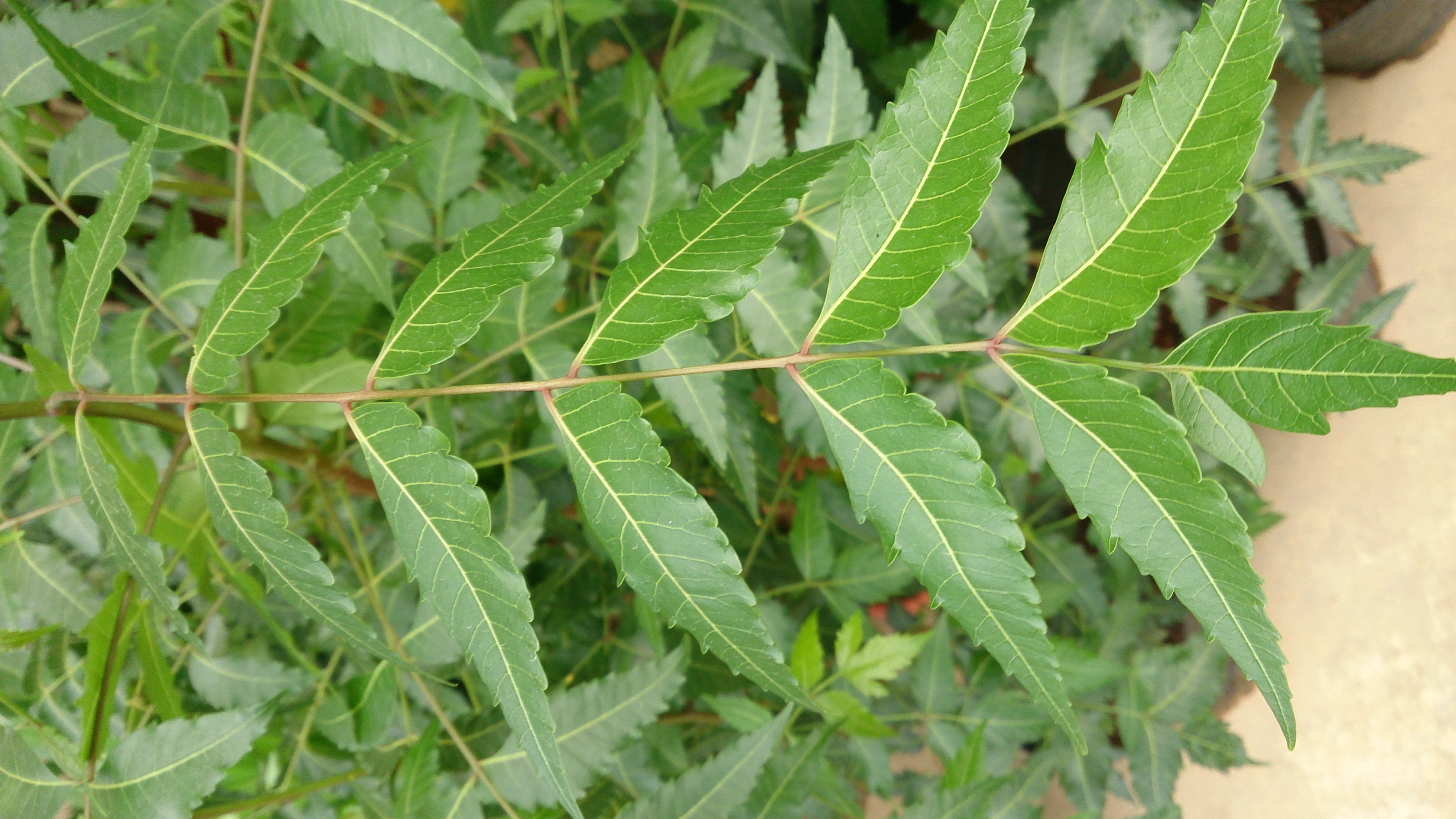
Ventral vagal -- skin as boundary organ. Neem bitter triterpenoids (azadirachtin, nimbin) downregulate inflammatory NF-kB cascades at the dermal layer while aventurescence registers as coherent green light through the ventral social engagement system, linking external boundary repair to internal safety signaling.
How to work with it
Place green aventurine on a clean cloth beside a small dish of neem-infused oil or cooled neem tea. Sit with both hands visible, palms down, resting on your thighs.
Green Aventurine + Blossom Frequency of the Open Heart
Use when
Ventral vagal -- heart-centered creative expansion. Neroli linalool and linalyl acetate cross the blood-brain barrier to modulate GABAergic tone, reducing amygdala hypervigilance. Aventurescence acts as a visual anchor for the ventral vagal state, the shimmer requiring slow attention that mirrors the parasympathetic downshift neroli initiates chemically.
How to work with it
Place one drop of neroli essential oil on your left inner wrist. Hold green aventurine in your right hand. Do not bring either to your nose yet -- let the neroli warm against your pulse for twenty seconds.
Green Aventurine + Evergreen Vigil of the Threshold
Use when
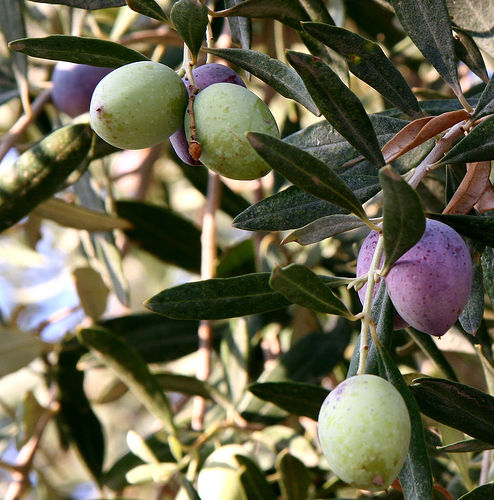
Ventral vagal -- immune vigilance without anxiety. Olive leaf oleuropein and hydroxytyrosol activate innate immune pathways (macrophage phagocytosis, NK cell activity) without triggering the sympathetic alarm that often accompanies illness awareness. Aventurine green shimmer engages the ventral vagal social system, anchoring immune attention in calm rather than panic.
How to work with it
Brew olive leaf tea -- the taste will be distinctly bitter and slightly astringent. This bitterness is oleuropein, the same compound that makes olive oil pungent. Place green aventurine beside the cup as the tea steeps.
Heart-centered ventral vagal engagement for tissue-level calming; plantain (Plantago major) contains allantoin and aucubin — compounds that accelerate cell proliferation at wound margins; the protocol targets the cardiac plexus where emotional wounding registers as chest tightness, using green aventurine's heart-chakra association and plantain's vulnerary action to create a somatic bridge between physical and emotional repair
How to work with it
Make a plantain poultice: crush fresh leaves between your palms until the juice runs green. If using dried, steep in minimal hot water until soft. The mucilage you feel is the same compound that draws splinters from skin — it pulls what does not belong to the surface.
The heart duo. Rose quartz opens the heart to self-love. Green aventurine opens the heart to receiving from others. Together they create the complete heart circuit: love flows in both directions. For relationship healing, for rebuilding trust after betrayal, for anyone whose heart has been so focused on giving that it forgot how to accept. Rose quartz says "you deserve love." Green aventurine says "you can receive it." The combination is gentle, powerful, and fundamental.
Citrine
Heart meets solar plexus. Emotional openness meets personal power. Green aventurine opens the door; citrine gives you the confidence to walk through it. The abundance pair: green aventurine creates the receptivity, citrine creates the manifestation channel. For new business ventures, career transitions, or any situation where opportunity requires both an open heart and a strong will.
Clear Quartz
Amplifier. Clear quartz takes green aventurine's heart-opening signal and broadcasts it louder. For someone whose heart center is deeply armored, clear quartz makes a gentle stone work at higher volume without changing its frequency. The amplification is clean: more of the same signal, not a different one. Pair when the softening needs more reach.
Amethyst
Heart opening meets spiritual insight. Green aventurine softens the chest. Amethyst activates the third eye and crown. Together they create a vertical channel from heart to higher awareness: feel deeply, see clearly. For spiritual practice, meditation, and anyone who needs to integrate emotional wisdom with intuitive knowing. The combination supports growth that is both grounded and transcendent.
Moss Agate
Double nature energy. Both stones carry the frequency of growth, both are green, both connect to the earth's living systems. Moss agate adds grounding and patience to green aventurine's openness. For gardeners, for people reconnecting with nature, for anyone whose growth needs roots before it needs branches. The slow-and-steady pair.
Pairing Cautions
Green Aventurine + Carnelian: Heart opening plus sacral activation can create emotional intensity. Green aventurine softens defenses while carnelian pumps energy through the system. If the heart is deeply guarded, the sudden combination of openness and activation can produce emotional flooding. Use sequentially (green aventurine first to soften, then carnelian to activate) rather than simultaneously for sensitive nervous systems.
Green Aventurine + Moldavite: Green aventurine opens gently. Moldavite opens explosively. The combination can accelerate transformation faster than the nervous system is prepared to integrate. For experienced practitioners only. Start with green aventurine alone, always.
Care & Cleansing
How to keep Green Aventurine in good condition
Water Safe?
Water safe
This stone is generally safe for short water contact, though polishing, fractures, and metal settings can still change how a specimen behaves.
Sunlight Safe?
Use care
May fade or shift color in prolonged direct sun — keep exposure short and indirect.
Authenticity
What to check
Natural Green Aventurine should usually feel cooler than plastic or resin on first touch and warm more slowly in the hand.
The #1 Question
Can Green Aventurine Go in Water? Yes, safe
The Full Answer
Green aventurine scores 6. 5-7 on the Mohs hardness scale and its primary component is quartz (SiO₂), which is not water-soluble. The fuchsite mica inclusions are also chemically stable in water. Brief water contact will not dissolve, damage, or alter green aventurine in any way. Safe: 30-60 seconds under cool running water.
This works for both energetic cleansing and physical cleaning. Pat dry with a soft cloth. Avoid:
Thermal shock: sudden temperature changes can stress the quartz-mica interface and create micro-fractures along inclusion boundaries
Salt water, prolonged: sodium chloride can deposit in surface imperfections and along mica boundaries, dulling the aventurescent shimmer over time
Extended soaking: unnecessary.
While green aventurine can tolerate longer water exposure than many stones, prolonged soaking offers no additional cleansing benefit
Hot water: differential thermal expansion between quartz and fuchsite can stress the stone. Cool to lukewarm only
Better alternatives for regular cleansing: Moonlight (soft lunar energy matches green aventurine's gentle heart frequency), sound vibration (2-3 minutes), sage or palo santo smoke (30-60 seconds), selenite plate (4-6 hours), earth burial (24 hours, wrapped in cloth).
Can Green Aventurine Go in the Sun? Brief exposure (15-20 minutes) is generally safe. However, use caution with prolonged direct sunlight. The fuchsite mica inclusions that give green aventurine its color contain chromium, and while the mineral itself is stable, extended UV exposure over many hours can subtly fade the green in some specimens. This is a growth stone, not a fire stone.
Temperature
Natural Green Aventurine should usually feel cooler than plastic or resin on first touch and warm more slowly in the hand.
Scratch logic
Use 6.5 on the Mohs scale as the check, not internet myths. A real specimen should behave in line with the hardness listed above.
Surface and luster
Look for a vitreous (aventurescence) surface quality rather than a painted or plastic shine.
Weight and density
The listed specific gravity is 2.64-2.69. If a specimen feels unusually light for its size, it may deserve a second look.
My Field Guide
Your private record and next steps
Journal
Add this stone to your private collection, then log what happened when you worked with it.
Shared Notes
Read public practice logs and pattern notes from the Crystalis community.
When members save a public field note for this stone, it will appear here.
Frequently Asked
Questions people ask about Green Aventurine
What does green aventurine do?
⌄
Green aventurine activates the heart chakra, supporting emotional openness, the capacity to receive, and willingness to grow. Known as the stone of opportunity, its deeper function is not luck but emotional availability: the nervous system state that allows you to recognize and accept what life is offering. Documented across multiple traditions as a stone of the heart, growth, and new beginnings.
Can green aventurine go in water?
⌄
Yes. Green aventurine is a quartz variety at Mohs 6.5-7 with no water-soluble components. Brief rinses of 30-60 seconds under cool running water are completely safe. Avoid prolonged salt water soaking and thermal shock.
Can green aventurine go in the sun?
⌄
Brief sun exposure (15-20 minutes) is generally safe. However, the fuchsite mica inclusions that give green aventurine its color can fade with prolonged direct sunlight. For regular charging, moonlight, earth burial, or plant proximity are better options. This is a growth stone, not a fire stone.
What is the difference between green aventurine and jade?
⌄
Completely different minerals. Green aventurine is quartz (SiO2) with fuchsite mica inclusions. Jade is either nephrite (calcium magnesium silicate) or jadeite (sodium aluminum silicate). The quickest tests: aventurine sparkles (aventurescence from mica), jade does not. Aventurine is translucent with visible glitter, jade has a smooth, waxy translucency without sparkle. Hardness also differs: jade is tougher despite similar Mohs ratings.
What chakra is green aventurine?
⌄
Heart chakra (Anahata), the fourth energy center, located at the center of the chest. This corresponds to emotional openness, compassion, the capacity to give and receive love, and the willingness to grow. Green aventurine placed at the heart center supports the transition from emotional guardedness to emotional availability.
What crystals pair well with green aventurine?
⌄
Rose quartz (heart chakra reinforcement, self-love plus openness to receive). Citrine (heart plus solar plexus for confident growth). Clear quartz (amplification). Amethyst (heart opening plus spiritual insight). Moss agate (nature-aligned growth energy). Avoid pairing with heavy activation stones if the goal is gentle heart opening.
How can you tell if green aventurine is real?
⌄
Five tests: (1) Aventurescence: tilt the stone under light. Real green aventurine shows a subtle sparkle from fuchsite mica inclusions. No sparkle likely means dyed quartz or glass. (2) Color: natural green aventurine is medium green with visible, irregular sparkle distribution. Dyed material shows color concentrated in fractures. (3) Temperature: real quartz warms in the hand. Glass stays cooler. (4) Hardness: Mohs 6.5-7, scratches glass. (5) No air bubbles under magnification.
Is green aventurine good for anxiety?
⌄
Green aventurine is a widely recommended stone for anxiety in crystal practice. The heart chakra connection addresses the emotional root of anxiety: the feeling that the world is not safe enough to open to. The green color has documented calming effects on the nervous system. The stone's weight provides tactile grounding. Research on fidget objects and weighted items confirms that tactile engagement reduces sympathetic activation.
Sources & Citations
Where this entry can be checked
Back Matter
Readable for people. Structured for AI search.
Sources stay visible in the page so readers, search engines, and answer systems can follow the evidence trail.
01
SCI
Green aventurine quartz: mineralogical characterization
E. A. Monroe. (1986). Green aventurine quartz: mineralogical characterization. Journal of Gemmology. [SCI]DOI 10.15506/JoG.1986.20.2.83
Fertile green: green facilitates creative performance
Lichtenfeld, S. et al. (2012). Fertile green: green facilitates creative performance. Personality and Social Psychology Bulletin. [SCI]DOI 10.1177/0146167212436611