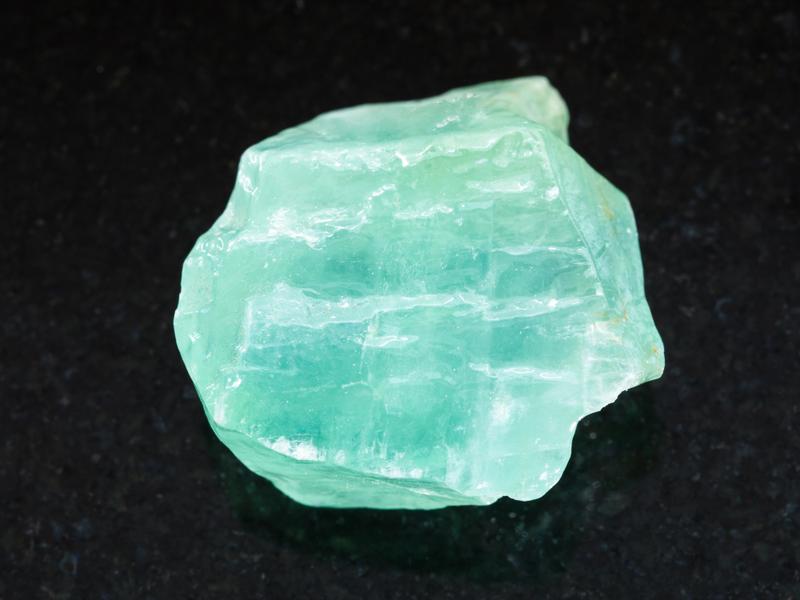
The heart needs space but sentimentality is not the way to make it. Green calcite holds its color from mineral inclusions in a soft carbonate body that dissolves before it breaks. Sometimes opening means yielding, not forcing.
Sympathetic Activation (Fight/Flight) When the nervous system is running in overdrive.chest tight, jaw clenched, thoughts cycling between worst-case scenarios.green...
The Meaning
Green Calcite in the Crystalis dictionary
The emotional field needs opening, but not through sentimentality.
Green calcite keeps calcite's softer carbonate body and shifts it into a fresher register, one that reads regenerative without becoming syrupy. The structure yields. The color moves forward.
Some hearts reopen through gentleness with momentum.
Stone Lore
Stories carried through time
Cultural notes are presented as tradition and historical context — stories carried through time.
Mexican Mining Districts
The Durango and Chihuahua Deposits
Mexico's northern mining states of Durango and Chihuahua have produced large quantities of green calcite since the 19th century, sourced from hydrothermal veins and replacement deposits associated with the silver and lead mining districts of the Sierra Madre Occidental. The green coloration in Mexican calcite results from inclusions of chlorite, malachite, or other copper and iron minerals that became incorporated during crystallization from mineral-rich hydrothermal fluids.
Mexican mines produce green calcite in forms ranging from transparent rhombohedral crystals to massive translucent blocks that the lapidary trade cuts into spheres, eggs, and decorative objects. The material is commonly available at gem shows through Mexican mineral dealers based in Chihuahua City, Mapimi, and Durango, making Mexico the most commercially significant source of green calcite in the Western Hemisphere.
1800s-present
Historical note
The Double Refraction Legacy
Rasmus Bartholin, a Danish scientist working with Iceland spar calcite in 1669, published the first scientific description of double refraction, the splitting of light into two rays when passing through transparent calcite. Christiaan...
Icelandic Optical Research · 1669-1800s
Origin lore
The Bahia and Minas Gerais Production
Brazilian deposits in Bahia and Minas Gerais states emerged as major green calcite sources in the second half of the 20th century, producing material that ranges from pale mint to deep emerald green. Brazilian green calcite often occurs in...
Brazilian Mineral Trade · 1950s-present
Historical note
The Conservation Challenge
Museum conservators and mineral curators have documented green calcite's particular vulnerability to acidic environments, as calcium carbonate dissolves readily in even weakly acidic solutions. The American Institute for Conservation and...
Formation typically occurs in sedimentary environments where calcium-rich waters percolate through limestone, marble, or dolomite. As these solutions encounter cavities, fractures, or vugs in the host rock, they slow down, cool, and begin depositing calcite crystals. If the surrounding rock contains chlorite or other green minerals, trace amounts dissolve into the solution and co-precipitate with the calcium carbonate, tinting the growing crystals green.
The process is extraordinarily gradual. a single crystal cluster may represent thousands of years of deposition.
Green calcite also forms in metamorphic environments where limestone is subjected to heat and pressure, recrystallizing into marble. During this transformation, pre-existing mineral impurities redistribute, and if green-bearing minerals are present, the resulting calcite inherits their color. Hydrothermal activity can concentrate these trace elements, producing the richest, most saturated greens.
The trigonal crystal system gives calcite its characteristic rhombohedral cleavage.it breaks along three planes that are not at right angles, producing the distinctive parallelogram-shaped fragments. This cleavage pattern is so reliable that calcite was one of the first minerals used to demonstrate the principles of crystallography. Green calcite specimens often display this cleavage as a stepped, terraced surface that catches light in soft, layered planes.a visual quality that reinforces its association with gradual, layered healing.
Crystal system diagram represents the general trigonal classification. Diagram created by Crystalis for educational reference.
Trigonal structure
Chemical Formula
CaCO3
Crystal System
Trigonal
Mohs Hardness
3
Specific Gravity
2.71
Luster
Vitreous to waxy
Color
Pale green to mint green
IMA Status
variety
IMA Number
Grandfathered (pre-1959)
01
Mineral conditions gather
02
Structure begins to crystallize
03
Green Calcite records place and pressure
MexicoBrazilChinaAfrica
Telling it apart
Green calcite is routinely confused with green fluorite, green aventurine, and jade. The simplest test separates it from all three: drop dilute hydrochloric acid on it, and calcite fizzes vigorously. Fluorite, aventurine, and jade do not react. Hardness is decisive against the harder minerals: calcite is Mohs 3, scratchable with a copper coin, while green aventurine is 6. 5 to 7 and jade is 6 to 7.
Green fluorite is closer at Mohs 4 but cleaves into octahedra, while calcite cleaves into rhombohedra. The green color in calcite comes from microscopic chlorite, actinolite, or other iron-magnesium silicate inclusions, not from the calcite itself. This means the green is often patchy or concentrated in zones rather than uniform. Specific gravity at 2. 71 matches standard calcite but is lighter than jade (2.
90 to 3. 36) and heavier than fluorite-free glass. Green calcite commonly shows birefringence (double images seen through transparent pieces), a property it shares with all calcite but that is absent in fluorite and obsidian. Sellers sometimes label green fluorite as green calcite or vice versa; the acid and cleavage tests together resolve the confusion in seconds.
Spotting the real thing
Green calcite is one of the more commonly misidentified stones in the crystal market, often confused with green fluorite, green aventurine, or dyed specimens of other minerals. Here is how to confirm what you have. Hardness Test Green calcite is Mohs 3. A copper coin (Mohs 3. 5) will scratch it. A steel knife scratches it easily. If your green stone cannot be scratched by a coin, it is not calciteit may be fluorite (Mohs 4), aventurine (Mohs 7), or glass.
This single test eliminates most misidentifications. Test on an inconspicuous surface. Acid Test The definitive calcite test. Place a single drop of white vinegar or dilute hydrochloric acid on an inconspicuous spot. If it fizzes (effervesces), it is carbonatecalcite or aragonite. Fluorite will not fizz. Aventurine will not fizz. Dyed quartz will not fizz. The fizz is calcium carbonate reacting with acid to release CO₂.
When the nervous system is running in overdrive; chest tight, jaw clenched, thoughts cycling between worst-case scenarios; green calcite introduces a frequency of permission. Not permission to collapse, but permission to soften. Held against the chest or placed on the heart center, practitioners describe a sensation similar to stepping into shade on a hot day: the heat is still there, but the intensity decreases enough to think clearly.
Green calcite does not fight sympathetic activation. It provides an alternative that the body can choose. The softness of the stone itself; its coolness, its weight, its smooth surface; sends sensory signals that gently contradict the emergency messages the nervous system is broadcasting.
Shut down & far away
The Calcite Freeze
In freeze states, green calcite works differently than activating stones. It does not try to restart the engine. Instead, it addresses the emotional residue that caused the shutdown in the first place. Practitioners report that green calcite held during dorsal vagal states allows grief, sadness, or disappointment to surface without overwhelm; like a controlled release valve rather than a dam break.
The stone’s heart chakra association means it targets the emotional layer specifically, which is often where freeze states originate: the heart shut down to protect itself, and the rest of the body followed. Green calcite whispers to the heart that it is safe enough to feel again, incrementally.
Settled & connected
The Green Equilibrium
In the regulated state, green calcite becomes a stone of emotional abundance. It amplifies the capacity for compassion; both for self and others; without the depletion that empaths and caregivers often experience. The ventral vagal state is where green calcite does its most joyful work: it supports connection, tenderness, forgiveness, and the quiet pleasure of being alive without needing anything to change.
Practitioners describe it as the stone equivalent of a deep exhale followed by a genuine smile. It is not dramatic. It is not ecstatic. It is simply, thoroughly, enough.
These associations come from tradition and reflective practice — a way of working with the stone, not a medical prescription.
Somatic Practice
Simple ways to work with Green Calcite
◇
Hold
Carry Green Calcite in a pocket or place it over the heart center during a pause.
◌
Meditate
Let the stone become a quiet tactile anchor while the breath slows.
☽
Breathe
Breathe in softness. Breathe out tension. Keep the practice simple.
✎
Journal
Write with Green Calcite nearby to name the feeling without forcing a conclusion.
✋
Bodywork
Rest the stone near the chest, hand, or bedside as a reminder to soften.
⌂
Environment
Place it where you want a visual cue for care, repair, or steadiness.
Field Instruction
Crystalis Protocol: Dissolution Breathing
Soften What Hardened.
5 min protocol
1
Lie down. Place green calcite on your upper abdomen, at the solar plexus — the soft triangle below the sternum and above the navel. This is the diaphragm's anchor point and the site where emotional bracing physically locks. Calcite is one of the softest commonly collected minerals (Mohs 3). It dissolves in weak acid. Its nature is yielding.
2
Breathe: 6 counts in through the nose, 6 counts out through the mouth with a soft audible sigh. The hold phase is essential — it sits in the space between intake and release, the same space where emotional bracing lives. Holding without tensing teaches the diaphragm that stillness is not the same as locking.
3
On the fifth breath cycle, place both hands over the stone. Press gently into the solar plexus on each exhale. Release pressure completely on each inhale. The rhythmic compression-and-release mimics peristaltic movement — the gut's own rhythm. Sympathetic activation suppresses peristalsis. This protocol manually restarts it.
4
After 5 minutes: remove your hands. Leave the stone in place. Breathe without counting. Notice whether the solar plexus area feels softer, warmer, or more spacious. Notice any gurgling or movement in the digestive tract — this is the parasympathetic system resuming normal operation. The stone's softness is not weakness. It is the capacity to yield without breaking.
Stone Intelligence
The fact that makes Green Calcite memorable
Calcite, trigonal, same mineral as every other calcite variety. The green comes from chlorite or actinolite inclusions dispersed through the lattice. The science documents how trapped microparticles change the visible identity of a common mineral.
The practice asks what happens when what you carry inside transforms how the world sees you.
Green calcite does not find warriors. It finds people who are tired of being warriors. It finds the person who has been strong for everyone else and has no idea how to be soft for themselves. The nurse who goes home empty. The parent who has not cried in years. The partner who forgave but never processed. The friend who always listens and never asks to be heard. Green calcite arrives when your heart has been doing its job so reliably that everyone forgot it might also need care.
including you. If you picked up green calcite and felt your eyes sting before you could explain why, it is already working. It does not need your understanding. It needs your willingness to feel what you have been storing.
Stones and herbs that harmonize with Green Calcite
Pairings are treated like a recipe file: clear use, method, and safety.
Herbal Ally
Green Calcite + The Gentle Return Protocol
Use when
Targets the heart center as the polyvagal midpoint between dorsal vagal shutdown (freeze/collapse) and sympathetic hyperactivation (fight/flight). Catnip (Nepeta cataria) contains nepetalactone, an iridoid that in humans acts as a gentle nervine tonic — calming without sedating, settling the nervous system into the ventral vagal "safe and social" range. This protocol is designed for the person returning from emotional numbness or prolonged stress — not in crisis, but in recovery. Green calcite over the heart provides gentle weight and thermal feedback to the cardiac plexus, reinforcing the felt sense of being present in the body again.
How to work with it
Brew catnip tea: 2g dried leaves and flowering tops in 8oz water at 200°F, steep 8 minutes. It smells like mild mint and hay. In humans, nepetalactone is a gentle relaxant — you will not roll on the floor.
Enteric nervous system nourishment through vagal afferent signaling from the gut — the pathway that communicates nutritional sufficiency to the brainstem. Somatic focus on the solar plexus bridge between heart and sacral centers, where metabolic abundance is registered as safety by the autonomic nervous system.
How to work with it
Prepare moringa tea or stir moringa powder into warm water. Hold the green calcite and feel its softness — Mohs 3, scratchable with a copper coin. This is not a hard stone. Nourishment does not require hardness. It requires bioavailability.
The gentlest heart-healing combination available. Both stones work at the frequency of compassion and emotional softening, but they arrive from different angles: green calcite thaws what is frozen, rose quartz warms what is cold. Together, they create an environment where the heart can both release stored pain and receive comfort simultaneously. This pairing is for deep grief work, self-forgiveness, and learning to be tender with yourself after extended periods of emotional armor.
Green Calcite + Smoky Quartz
Green calcite opens emotional channels; smoky quartz grounds whatever flows through them. Without grounding, heart-opening work can become destabilizing.emotions surface without a container. Smoky quartz provides that container. This pairing is essential for people who tend to dissociate during emotional processing or who fear being overwhelmed by their own feelings. The smoky quartz says "you can feel this and stay in your body."
Green Calcite + Rhodonite
Rhodonite is the emotional first-aid stone.it addresses acute emotional wounds, shock, and panic. Green calcite is the long-term recovery stone. Together, they bridge crisis and healing, providing immediate stabilization (rhodonite) followed by gentle, sustained repair (green calcite). Use this pairing in the weeks following a significant loss, breakup, or emotional shock when the initial crisis has passed but the deep processing has just begun.
Green Calcite + Amethyst
Amethyst brings spiritual perspective to green calcites emotional work. Where green calcite asks "what do you feel?", amethyst asks "what does this mean?" The combination supports emotional processing that leads to insight rather than just release. For people who need to understand their patterns.why they keep choosing the same relationship dynamics, why certain losses hit harder than others.this pairing provides both the feeling and the framework.
Green Calcite + Black Tourmaline
For empaths and caregivers who absorb the emotional energy of others. Green calcite keeps the heart open and compassionate while black tourmaline creates a boundary that prevents energy depletion. This is not about closing off.it is about sustaining openness by protecting the source. Carry both when entering environments that historically drain you: hospitals, family gatherings, emotionally demanding workplaces, or any context where your compassion is needed but your reserves are finite.
Care & Cleansing
How to keep Green Calcite in good condition
Water Safe?
Keep dry
This stone should stay out of water. Water can dull the surface, destabilize the specimen, or damage the stone over time.
Sunlight Safe?
Sunlight safe
Tolerates daylight; safe to charge or display in the sun.
Authenticity
What to check
Natural Green Calcite should usually feel cooler than plastic or resin on first touch and warm more slowly in the hand.
The #1 Question Can Green Calcite Go in Water? No: Green calcite is NOT water safe. Green calcite is calcium carbonate (CaCO₃) with a Mohs hardness of 3. well below the safety threshold of 5 for water immersion. Calcite is soluble in mildly acidic water and will slowly dissolve even in neutral water over time. Extended soaking will degrade the surface, dull the polish, round sharp crystal edges, and eventually compromise the structural integrity of the specimen.
Even brief water contact carries risk. A quick rinse under running water (5-10 seconds) for energetic cleansing is tolerable if the stone is immediately and thoroughly dried, but it should not be routine practice. Never place green calcite in drinking water, gem water preparations, bath water, or any prolonged liquid contact. Never use saltwater, vinegar, or any acidic liquid. calcite will effervesce (fizz) and dissolve visibly in acid.
For energetic cleansing, use dry methods exclusively: sound (singing bowls, tuning forks, bells), smoke (sage, palo santo, cedar), moonlight, selenite plate contact, or breath cleansing. These methods are equally effective and preserve the stone completely.
Temperature
Natural Green Calcite should usually feel cooler than plastic or resin on first touch and warm more slowly in the hand.
Scratch logic
Use 3 on the Mohs scale as the check, not internet myths. A real specimen should behave in line with the hardness listed above.
Surface and luster
Look for a vitreous to waxy surface quality rather than a painted or plastic shine.
Weight and density
The listed specific gravity is 2.71. If a specimen feels unusually light for its size, it may deserve a second look.
My Field Guide
Your private record and next steps
Journal
Add this stone to your private collection, then log what happened when you worked with it.
Shared Notes
Read public practice logs and pattern notes from the Crystalis community.
When members save a public field note for this stone, it will appear here.
Frequently Asked
Questions people ask about Green Calcite
What is green calcite used for?
⌄
Green calcite is used primarily for emotional processing, heart chakra restoration, stress relief, and gentle nervous system regulation. It supports the release of stored grief, resentment, and emotional exhaustion without forcing catharsis.
Can green calcite go in water?
⌄
No. Green calcite is calcium carbonate with a Mohs hardness of 3. It will dissolve in water over time and reacts visibly with acidic liquids. Use dry cleansing methods only: sound, smoke, moonlight, or selenite.
Can green calcite go in the sun?
⌄
Brief sun exposure under 30 minutes is safe, but prolonged direct sunlight will fade the green color. Moonlight charging is recommended as the primary method.
What chakra is green calcite associated with?
⌄
Green calcite is associated with the heart chakra (Anahata). It addresses compassion, forgiveness, grief processing, emotional balance, and the capacity to give and receive love.
Is green calcite the same as green fluorite?
⌄
No. Green calcite is calcium carbonate (CaCO3), Mohs 3. Green fluorite is calcium fluoride (CaF2), Mohs 4. Calcite fizzes in vinegar; fluorite does not. Energetically, green calcite is emotionally focused; green fluorite is mentally focused.
How do you cleanse green calcite?
⌄
Use dry methods only: sound cleansing with singing bowls, smoke cleansing with sage or palo santo, selenite plate contact overnight, or moonlight exposure. Never use water, saltwater, or chemical cleaners.
Is green calcite good for anxiety?
⌄
Green calcite is effective for anxiety rooted in emotional overwhelm, grief, or heart-related stress. For mental anxiety (overthinking), green fluorite or amethyst may be more appropriate. For physical anxiety, lepidolite or blue lace agate may be better first choices.
What is Caribbean calcite?
⌄
Caribbean calcite is a trade name for specimens combining green or blue calcite with white or brown aragonite in banded patterns. It retains all of green calcite's properties plus aragonite's grounding qualities. Same water and sun precautions apply.
Sources & Citations
Where this entry can be checked
Back Matter
Readable for people. Structured for AI search.
Sources stay visible in the page so readers, search engines, and answer systems can follow the evidence trail.