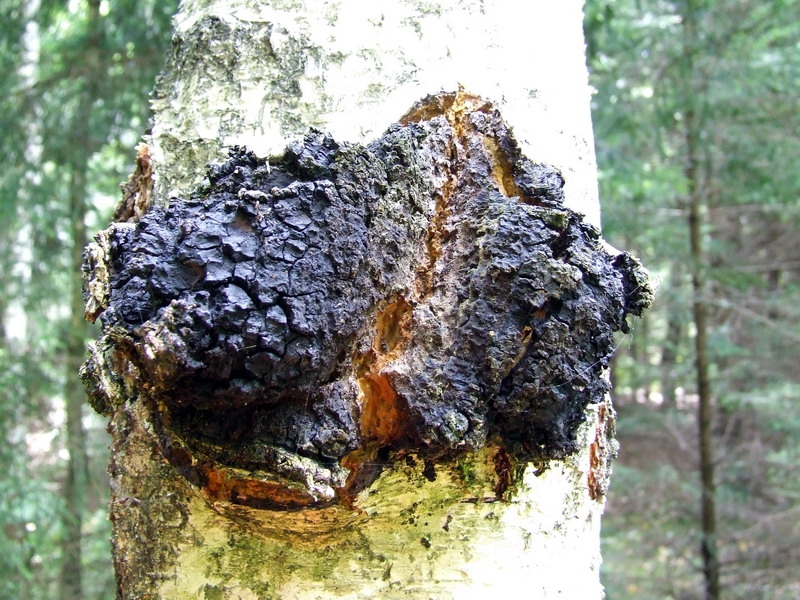
You need contact with something that is not trying to perform for you. Shungite is a carbon mineraloid from Karelia, approximately 2 billion years old, with no crystal structure and no flash. No crystal structure. No flash. Just carbon and contact.
Shungite is a root-centered mineral traditionally used to support grounding, purification, and protective boundary-setting. In body-based practice, holding shungite...
The Meaning
Shungite in the Crystalis dictionary
You want contact with something older, blacker, and less interested in performance.
Shungite is carbon-rich material from Karelia, opaque, dark, and culturally loaded with purification claims because the stone itself feels austere enough to invite projection.
Even before the lore, it reads as absorbent.
Chronic overstimulation sometimes needs a blacker silence.
Stone Lore
Stories carried through time
Cultural notes are presented as tradition and historical context — stories carried through time.
Russia
Peter the Great and Martial Waters
In 1714, Tsar Peter the Great established the first Russian spa at Konchezero, near Lake Onega, Karelia, specifically because the local spring water flowed through shungite-bearing rock. He named it "Martial Waters" (after Mars, god of war and iron, referencing the iron-rich mineral content). Peter reportedly ordered his soldiers to carry shungite to purify their drinking water during military campaigns.
The spa operated for decades. This is not legend; it is documented Russian state history. Shungite's use in water purification predates modern filtration science by centuries.
1714 CE
Ritual history
Karelian Water Purification
In Karelia, shungite has been used in local water application for generations. The springs around Lake Onega that flow through shungite deposits produce water that local populations have long considered medicinal. Modern Russian...
Karelia, Russia, Ongoing
Ritual history
The "Stone of Life"
Russian folk tradition names shungite "the stone of life," associating it with purification, protection from illness, and renewal. In Karelian village practice, shungite stones were placed in water vessels to cleanse drinking water and in...
Russian Folk Tradition
Ritual history
Root Chakra Guardian
In contemporary crystal practice, shungite is assigned to the root chakra (Muladhara) and associated with Earth and Fire elements. The root chakra governs the body's primal sense of safety, survival, and connection to the physical world....
The carbon in shungite originated as organic matter, the accumulated biomass of ancient microbial communities living in shallow Precambrian seas approximately two billion years ago, during the Paleoproterozoic era. These microorganisms, among the earliest life forms on Earth, settled into the sediments of what is now the Onega Basin in Karelia, Russia. Over geological time, heat and pressure transformed that biological material into the dense, black, carbon-rich rock we call shungite.
The process is analogous to how ancient forests became coal, but shungite predates forests by over a billion years.
What makes shungite genuinely remarkable among carbon materials is the presence of natural fullerenes. Fullerenes are hollow, cage-like molecules made entirely of carbon atoms arranged in pentagons and hexagons, resembling a soccer ball at the molecular scale. The most famous fullerene, C (buckminsterfullerene), contains exactly 60 carbon atoms and was first synthesized in a laboratory in 1985.
The discovery earned Harold Kroto, Robert Curl, and Richard Smalley the 1996 Nobel Prize in Chemistry. Shungite is one of the few known natural sources of these molecules, formed not in a lab but in Precambrian geology, two billion years before anyone thought to look for them.
There's a detail worth knowing: shungite is not uniform. Carbon content ranges from under 10% in shungite-bearing rock to nearly 98% in the rarest form, known as elite or noble shungite. The commercial shungite sold in most shops contains 30-50% carbon, with the remainder composed of quartz, pyrite, feldspars, mica, and other minerals. Elite shungite, with its distinctive semi-metallic luster, comes from a single deposit near Shunga village and is genuinely rare.
The carbon content determines both the physical properties and the fullerene concentration. Knowing the grade is the difference between understanding what you are holding and guessing.
Crystal system diagram represents the general amorphous classification. Diagram created by Crystalis for educational reference.
Amorphous structure
Chemical Formula
Non-crystalline
Crystal System
Amorphous
Mohs Hardness
3.5
Specific Gravity
2.3-2.4
Luster
Submetallic to dull
Color
Black
IMA Status
variety
Type Locality
Shun'ga village, Medvezhyegorsky District, Republic of Karelia, Russia
IMA Number
Not IMA-approved
01
Mineral conditions gather
02
Structure begins to crystallize
03
Shungite records place and pressure
KareliaRussia
Telling it apart
Same Stone, Different Grades
All commercial shungite comes from the same geological formation in Karelia. The grades reflect carbon concentration, not different minerals. Getting this right protects you from overpaying for regular shungite marketed as elite, or dismissing elite shungite sold at regular prices.
Regular (Black) Shungite
Carbon content: 30-50%
Appearance: Opaque matte black
Luster: Dull, matte
Workability: Can be shaped, polished, carved
Availability: Common, widely available
What you hold: Tumbled stones, spheres, pyramids, phone plates, pendants
Residue: Leaves black marks on hands and surfaces
Elite (Noble) Shungite
Carbon content: 90-98%
Appearance: Silver-black with conchoidal fracture
Luster: Semi-metallic, glass-like shine
Workability: Too brittle to shape; sold as natural fragments
Availability: Rare; single deposit near Shunga village
What you hold: Raw, irregular fragments with natural surfaces
Residue: Minimal compared to regular grade
Why this matters: Elite shungite's higher carbon content means significantly higher fullerene concentration and greater electrical conductivity. If you are using shungite specifically for water purification, elite grade is preferred. For somatic practice (holding, carrying, grounding protocols), regular polished shungite works effectively and is far more practical. Both are genuine. The difference is density, purity, and price.
A note on "shungite" from outside Karelia: Some vendors sell black stones labeled as shungite that originate from other locations. True shungite, with its fullerene content and Precambrian origin, comes exclusively from the Onega Basin deposits in Karelia, Russia. Black tourmaline, jet, obsidian, and dyed stones are sometimes substituted. The conductivity test is definitive: real shungite conducts electricity. If it does not conduct, it is not shungite.
Care & Maintenance
Spotting the real thing
Four tests. One requires a simple tool; the rest need only your hands and eyes. Conductivity test (definitive). Real shungite conducts electricity. Touch both leads of a multimeter, a battery-powered LED circuit, or even a simple continuity tester to the stone. If it completes the circuit, it is genuine carbon-rich shungite. This is the single most reliable test. Almost no other stone used in crystal practice conducts electricity.
If it does not conduct, it is not shungite, regardless of what the label says. Residue test. Genuine shungite, especially unpolished, leaves black carbon residue on your hands and any surface it contacts. If a "shungite" stone leaves your hands perfectly clean after handling, it is likely dyed basalt, black tourmaline, or glass. The black rubs off because the stone is literally carbon.
It is supposed to do that. Weight test. Shungite is lighter than it appears.
Too much input. Too many demands. The world is pouring in and nothing is filtering it. Overstimulated, overcommitted, overexposed.
Shungite's density and matte texture provide a tactile anchor that signals containment. The surface does not reflect, it absorbs. For a nervous system drowning in input, holding something that absorbs rather than amplifies is the somatic equivalent of closing a door. The stone in the palm says: there is a boundary between you and everything else. That boundary is physical. It is in your hand right now.
Palm-held objects reduce sympathetic activation by giving the nervous system a safe focal point that carries zero emotional charge, and shungite's absorptive quality makes it especially effective for states where the problem is too much coming in.
Floating. Disconnected from your body. The floor does not feel solid. Thoughts circle without landing. You are everywhere and nowhere.
Place shungite in the palm and press your feet flat against the floor. The stone's weight activates proprioceptive awareness in the hand while the foot-floor contact activates it from below. You are creating two anchor points. The nervous system triangulates: hand, feet, gravity. For dissociative or ungrounded states, this dual-point anchoring is more effective than holding a stone alone.
Shungite's connection to the root chakra, the body's ground-floor energy center, makes it the specific stone for when your nervous system has lost contact with the physical world.
Settled & connected
Boundary Collapse: Chronic Sympathetic Activation
You absorb everyone else's energy. Every room changes your mood. You leave conversations drained. The line between your feelings and theirs dissolved somewhere, and you cannot find it.
Shungite as a physical object embodies the concept of selective permeability: it filters. It lets some things through and stops others. Carrying shungite in a pocket or wearing it as a pendant provides a persistent tactile reminder that a boundary exists between self and environment. The weight against the body is continuous low-level proprioceptive input saying: this is where you end.
For empaths and highly sensitive individuals whose nervous systems default to absorbing ambient emotional data, that physical reminder rewrites the pattern at the body level, beneath the story, beneath the identity. The stone is a filter you carry.
Shut down & far away
Energetic Stagnation: Dorsal Vagal Withdrawal
Heavy. Stuck. The weight of accumulated stress sits in your body like sediment. Not acute pain, just the slow accumulation of things you did not process, did not release, did not move through.
The 3-Minute Shungite Reset (below) uses a specific absorption-clearing protocol designed for this state. Shungite held at belly level, combined with exhale-focused breathing and visualization of the stone absorbing what does not belong, creates a structured release pathway. The key is the visualization: the stone is not adding anything. It is removing. For someone in dorsal shutdown, the concept of addition (more energy, more positivity, more light) can feel overwhelming.
Subtraction feels safe. Shungite's identity as a filter, as something that takes away rather than adds, matches the nervous system's actual need.
Screens exhaust you. Fluorescent lights agitate you. Crowds drain you. You feel better outside, worse in buildings, and you do not know why.
This is the state most associated with shungite in popular crystal culture, often framed as "EMF protection." Here is the honest version: what IS documented is that shungite's carbon structure has measurable electrical conductivity and that some people report feeling calmer when carrying it in technology-heavy environments. Whether this operates through actual electromagnetic shielding (unproven in real-world conditions) or through the tactile grounding effect of carrying a dense, earth-based object that provides continuous proprioceptive input (well-documented in stress research), the practical result is the same: you feel more settled.
The mechanism matters less than the outcome. Use it. Notice what shifts. Report honestly.
These associations come from tradition and reflective practice — a way of working with the stone, not a medical prescription.
Somatic Practice
Simple ways to work with Shungite
◇
Hold
Carry Shungite in a pocket or place it over the heart center during a pause.
◌
Meditate
Let the stone become a quiet tactile anchor while the breath slows.
☽
Breathe
Breathe in softness. Breathe out tension. Keep the practice simple.
✎
Journal
Write with Shungite nearby to name the feeling without forcing a conclusion.
✋
Bodywork
Rest the stone near the chest, hand, or bedside as a reminder to soften.
⌂
Environment
Place it where you want a visual cue for care, repair, or steadiness.
Field Instruction
The Absorption Filter
Hold. Breathe. Let the Filter Do the Work.
3 min protocol
1
Hold shungite in both hands at belly level. Cup the stone between your palms, resting your hands just below the navel. This is the body's center of gravity, the hara point in Japanese somatic tradition, the location where stability begins. Feet flat on the floor. If standing, shoulder-width apart. If sitting, both feet grounded. Feel the weight of the stone settle into your palms.
2
Breathe normally. Do not force a pattern. Unlike heart-centered protocols that use extended exhale ratios, this protocol asks for natural breath. The instruction is simpler: as you inhale, notice the stone in your hands. As you exhale, imagine the stone is absorbing. Not energy, not light, not anything mystical. Just what does not belong. The stone is a filter. Let it filter. Breathe in normally. Breathe out through the stone.
3
On each exhale, release downward through the feet. Visualize what the stone absorbs passing through your body and out through the soles of your feet into the earth beneath you. This is a drainage pattern, gravity-assisted. The stone collects. The feet discharge. The earth receives. Three exhales like this is enough to notice the first shift: your shoulders drop. Your jaw unclenches. The belly softens.
4
After 3 minutes: notice what left. Not what arrived. What left. Is your chest lighter? Are your thoughts quieter? Did the buzzing behind your eyes reduce? The protocol is subtraction, not addition. Shungite does not charge you with anything new. It removes what was taking up space. If something released, your nervous system just reclaimed territory that did not belong to you.
Stone Intelligence
The fact that makes Shungite memorable
Shungite is a Precambrian carbon-rich rock from Karelia, Russia, formed roughly two billion years ago from ancient organic matter. It contains fullerenes, hollow carbon molecules, in its structure. The science is still debating the biological origin of the carbon.
The practice holds one of the oldest rocks on Earth and lets the weight and density of two billion years remind the nervous system that ground existed long before worry did.
LORE
Shungites: origin and classification of a new carbon mineral resource
1987
LORE
Petroleum surface oil seeps from a Palaeoproterozoic petrified giant oilfield
Shungite is a root-centered mineral traditionally used to support grounding, purification, and protective boundary-setting. In body-based practice, holding shungite activates tactile grounding through its distinctive density and matte texture. The surface of shungite is unlike polished stones: slightly rough, room-temperature, absorbing rather than reflecting. Your hand registers this as earth, as boundary, as floor beneath the feet.
Before chakras, before metaphysics: your body has a nervous system. Shungite addresses five specific states, all of them rooted in the territory below the navel, where survival instincts live, where the body decides whether to stay or flee, and where the ground beneath you either holds or does not.
Porges, S.W. (2011). The Polyvagal Theory. W.W. Norton. Hudson, B. et al. (2015). Stress balls significantly reduced anxiety during surgery vs. treatment as usual. European Journal of Pain, 19(10), 1447-1455. DOI: 10.1002/ejp.675
Overwhelm: Sympathetic Flooding
Too much input. Too many demands. The world is pouring in and nothing is filtering it. Overstimulated, overcommitted, overexposed.
How shungite helps
Shungite's density and matte texture provide a tactile anchor that signals containment. The surface does not reflect, it absorbs. For a nervous system drowning in input, holding something that absorbs rather than amplifies is the somatic equivalent of closing a door. The stone in the palm says: there is a boundary between you and everything else. That boundary is physical. It is in your hand right now.
Palm-held objects reduce sympathetic activation by giving the nervous system a safe focal point that carries zero emotional charge, and shungite's absorptive quality makes it especially effective for states where the problem is too much coming in.
Sacred Match
Sacred Match reaches for Shungite when what you feel sounds like:
Overwhelmed / porous
Ungrounded / floating
Absorbing others' energy
Stagnant / stuck
Environmentally sensitive
Needing to detox / release
Sacred Match listens to the body rather than to preference. It notices what you are feeling right now, the way you are protecting yourself, and the deeper need underneath both. When that points to root instability (boundaries dissolved, ground lost, accumulated weight that belongs to someone else, or a system overloaded by input it cannot filter) shungite is the stone it offers.
Overwhelmed too much input seeking filtration
Ungrounded disconnected from body seeking anchor
Porous absorbing everything seeking boundary
Stagnant accumulated weight seeking release
Sensitive reactive to environment seeking insulation
Pairings are treated like a recipe file: clear use, method, and safety.
Herbal Ally
Shungite + The Karelian Carbon Protocol
Use when
Immune orienting and the boundary between self and environment. This protocol works with the felt sense of permeability, the state of feeling unprotected or chemically overwhelmed. It uses grounded posture, weighted contact at the sternum and slow nasal breathing to shift from sympathetic vigilance toward parasympathetic tone.
How to work with it
SAFETY FIRST: Chaga is high in oxalates and has been linked to oxalate nephropathy in case reports involving prolonged high-dose use. Do not use if you have kidney disease, a history of kidney stones, or take anticoagulants. Keep servings modest and occasional. Prepare one cup of chaga decoction and let it cool.
Doubled grounding. Shungite filters (absorbs what does not belong). Black tourmaline shields (deflects what approaches). Together they create a two-layer protection system: one stone catches what got in, the other prevents new intrusion. For highly sensitive people in demanding environments, empaths in crowds, or anyone recovering from energetic boundary violations. Carry both: shungite in the left hand (receiving/filtering), black tourmaline in the right (projecting/shielding).
Clear Quartz
Purification amplified. Clear quartz intensifies whatever it touches. With shungite, it amplifies the filtering and clearing action. Use when you need a deeper cleanse, when the regular protocol is not cutting through accumulated stagnation. Place shungite at the root (belly or feet) and clear quartz at the crown. The circuit runs from purification to clarity.
Smoky Quartz
Grounding with gentle emotional release. Smoky quartz dissolves negativity gradually, without force. Shungite absorbs it. Together they address both the emotional and the energetic layers of stagnation. For grief processing, for the slow release of old patterns, for detox that respects pace. Shungite pulls. Smoky quartz transmutes. The combination is subtraction that heals.
Rose Quartz
Protection that allows tenderness. Shungite builds the boundary. Rose quartz softens what is inside it. For people who need to feel safe before they can feel vulnerable. Shungite says: nothing harmful gets through. Rose quartz says: now it is safe to open. Use for re-entering intimacy after betrayal, for empaths learning to love without absorbing, for anyone whose heart needs a wall with a door in it.
Hematite
Iron meets carbon. Root anchoring at maximum density. Hematite is iron oxide; shungite is carbon composite. Together they are the heaviest, most grounding combination available. For severe dissociation, for people who cannot feel their bodies, for moments when the floor genuinely does not feel real. Hold one in each hand and stand. The weight alone rewrites the conversation between your nervous system and gravity.
Pairing Cautions
Shungite + Moldavite: Avoid during active crisis. Moldavite accelerates transformation. Shungite purges what is not aligned. Combining rapid transformation with aggressive purging can destabilize someone who is already fragile. Use only when grounded, stable, and intentionally seeking deep clearing under experienced guidance.
Shungite + Citrine: Context-dependent. Citrine adds solar energy, expansion, manifestation. Shungite subtracts. Adding and subtracting at the same time can create conflicting signals. Use citrine after a shungite clearing session, not simultaneously, to fill the space that shungite emptied.
Care & Cleansing
How to keep Shungite in good condition
Water Safe?
Use caution
Brief contact may be tolerated, but softness, coatings, fractures, or mixed mineral content can make water exposure a risk.
Sunlight Safe?
Sunlight safe
Tolerates daylight; safe to charge or display in the sun.
Authenticity
What to check
Natural Shungite should usually feel cooler than plastic or resin on first touch and warm more slowly in the hand.
The #1 Question
Can Shungite Go in Water? Yes, with preparation
The Full Answer
Shungite has been used in water purification for centuries. Peter the Great built a spa around it. Karelian communities filter water through it today. The stone's carbon matrix has documented sorption capacity for organic compounds and heavy metals. This is not marketing. It is chemistry and history. Safe with preparation:
Rinse thoroughly before first use.
New shungite releases black carbon residue. Rinse under running water until the water runs clear. This may take several minutes. Use polished or elite shungite only for water infusion. Raw, unfinished shungite with visible mineral inclusions may release trace elements you do not want in drinking water. Do not boil. Extreme heat can alter the carbon structure. Replace stones used for water purification every 6-12 months.
Sorption capacity is finite. The filter fills up. Important distinction: Shungite water filtration has documented efficacy for removing certain organic contaminants and is an active area of materials science research. However, shungite water is not a substitute for tested, regulated drinking water treatment. If your water supply requires filtration, use certified systems. Shungite water is a traditional practice with scientific grounding in carbon chemistry, not a replacement for public health infrastructure.
Temperature
Natural Shungite should usually feel cooler than plastic or resin on first touch and warm more slowly in the hand.
Scratch logic
Use 3.5 on the Mohs scale as the check, not internet myths. A real specimen should behave in line with the hardness listed above.
Surface and luster
Look for a submetallic to dull surface quality rather than a painted or plastic shine.
Weight and density
The listed specific gravity is 2.3-2.4. If a specimen feels unusually light for its size, it may deserve a second look.
My Field Guide
Your private record and next steps
Journal
Add this stone to your private collection, then log what happened when you worked with it.
Shared Notes
Read public practice logs and pattern notes from the Crystalis community.
Purchasing note following a supplier audit. Tested twelve shungite samples from six different sources using conductivity as the primary authentication marker: genuine shungite conducts electricity due to its graphitic carbon content. Four of the twelve samples failed the conductivity test entirely — black-dyed serpentine or plastic resin. Two more passed conductivity but felt suspiciously light for their size, suggesting hollow or partially filled pieces. Only six passed both conductivity and density checks. The market for black stones is flooded with substitutes. Before recommending shungite to a client, test it yourself. The wire-and-battery conductivity test takes under a minute and costs nothing.
othermorninghands — conductivity testingBefore: Skeptical. Auditing supplier claims systematically.After: Confirmed. Six of twelve authentic. Supplier relationships updated.
authenticityconductivity-testfullerene
Frequently Asked
Questions people ask about Shungite
What does shungite do?
⌄
Shungite is a root-chakra grounding mineral traditionally used to support purification, protection, and energetic detoxification. In somatic practice, holding shungite activates tactile grounding through its distinctive density and matte texture, engaging the nervous system's calming response. Shungite contains natural fullerenes (C60), a carbon molecule whose antioxidant properties have been documented in peer-reviewed research. Historically used in Russian water purification for centuries.
Can shungite go in water?
⌄
Yes, with conditions. Shungite has been used in water filtration for centuries and is the basis of Martial Waters, the first Russian spa established by Peter the Great. However, shungite is a carbon mineraloid that can release trace minerals into water. Use only polished or elite (noble) shungite for water purposes, and rinse thoroughly before first use. Do not use raw, unpolished shungite in drinking water without proper preparation.
What chakra is shungite?
⌄
Shungite is associated with the root chakra (Muladhara), the first energy center located at the base of the spine. In somatic terms, this corresponds to the body's foundational sense of safety, stability, and connection to the physical world. This is why shungite practices focus on the lower body, feet, and belly, the regions where the nervous system registers threat or safety at its most primal level.
Does shungite protect against EMF?
⌄
Shungite is widely marketed as EMF protection. Here is what the science actually says: shungite does contain carbon with documented electrical conductivity and shielding properties in laboratory settings. However, no peer-reviewed clinical study has demonstrated that placing a shungite stone near electronic devices provides meaningful electromagnetic field reduction in real-world conditions.
The conductivity is real. The leap from conductivity to personal EMF shielding has not been validated by independent research. What IS documented: shungite's carbon structure, its antioxidant fullerene content, and its centuries of use in water purification.
What is the difference between regular shungite and elite shungite?
⌄
Regular (black) shungite contains 30-50% carbon with significant mineral content including quartz, pyrite, and feldspars. It is opaque, matte black, and the most common commercial form. Elite (noble) shungite contains 90-98% carbon, has a distinctive semi-metallic silver-black luster, is lighter in weight, and is significantly rarer. Elite shungite is found only in a single deposit near Shunga village, Karelia. The higher carbon content means higher fullerene concentration. Both are genuine shungite. The difference is purity.
How can you tell if shungite is real?
⌄
Four tests: (1) Conductivity: real shungite conducts electricity. Touch both leads of a multimeter or battery-powered circuit to the stone. If it conducts, it is genuine carbon-rich material. This is the definitive test. (2) Weight: shungite is lighter than it looks due to carbon content. If a black stone feels unusually heavy, it may be basalt or dyed stone. (3) Surface: genuine shungite leaves black residue on hands and surfaces.
If it is perfectly clean, question it. (4) Luster: elite shungite has a distinctive semi-metallic shine that cannot be easily replicated.
What crystals pair well with shungite?
⌄
Black tourmaline (doubled grounding and boundary protection). Clear quartz (purification amplified). Smoky quartz (grounding with gentle emotional processing). Rose quartz (protection that allows tenderness). Hematite (iron-heavy root anchoring combined with carbon filtration). Avoid pairing with moldavite or high-vibration transformation stones when someone is already destabilized.
How old is shungite?
⌄
Shungite is approximately 2 billion years old (Paleoproterozoic era), formed in the Zaonega Formation of the Onega Basin, Karelia, Russia. This makes it one of the oldest known carbon-bearing geological materials on Earth. The organic carbon in shungite derives from ancient microbial life in Precambrian seas, making each piece a record of some of the earliest biological activity on the planet.
Sources & Citations
Where this entry can be checked
Back Matter
Readable for people. Structured for AI search.
Sources stay visible in the page so readers, search engines, and answer systems can follow the evidence trail.
01
LORE
Shungites: origin and classification of a new carbon mineral resource
Kovalevskiy, O. V., P. R. Buseck, J. M. Cowley, and D. L. Dorset. (1987). Shungites: origin and classification of a new carbon mineral resource. [LORE]
02
LORE
Petroleum surface oil seeps from a Palaeoproterozoic petrified giant oilfield
Melezhik, V.A. et al. (2009). Petroleum surface oil seeps from a Palaeoproterozoic petrified giant oilfield. Terra Nova. [LORE]DOI 10.1111/j.1365-3121.2009.00864.x
03
SCI
Fullerene C60 with cytoprotective and cytotoxic potential
Rondags, A. et al. (2016). Fullerene C60 with cytoprotective and cytotoxic potential. Experimental Dermatology. [SCI]DOI 10.1111/exd.13172
04
SCI
Methanotrophy in a Paleoproterozoic oil field ecosystem, Zaonega Formation, Karelia, Russia
Qu, Y. et al. (2012). Methanotrophy in a Paleoproterozoic oil field ecosystem, Zaonega Formation, Karelia, Russia. Geobiology. [SCI]DOI 10.1111/gbi.12007
05
SCI
Raman spectroscopy of weathered shungites
Chazhengina, S.Y. & Kovalevski, V.V. (2017). Raman spectroscopy of weathered shungites. Journal of Raman Spectroscopy. [SCI]DOI 10.1002/jrs.5188
06
LORE
Shungite/poly(vinyl alcohol) hybrid hydrogels: An efficient adsorption material
Kyshkarova, V. et al. (2023). Shungite/poly(vinyl alcohol) hybrid hydrogels: An efficient adsorption material. Journal of Applied Polymer Science. [LORE]DOI 10.1002/app.55001
07
LORE
Antioxidant and anti-inflammatory effects of shungite against UVB irradiation-induced skin damage in hairless mice
Sajo, M.E. et al. (2017). Antioxidant and anti-inflammatory effects of shungite against UVB irradiation-induced skin damage in hairless mice. Oxidative Medicine and Cellular Longevity. [LORE]DOI 10.1155/2017/7340143