Crystal Encyclopedia
40+YEARS

Chlorite Quartz

SiO2 host crystal with inclusions of chlorite group minerals; general chlorite formula (Mg,Fe,Al)6(Si,Al)4O10(OH)8; most common species in quartz inclusions are clinochlore (Mg-rich) and chamosite (Fe-rich) · Mohs 2 · Trigonal · Heart Chakra

The stone of chlorite quartz: meaning, mineralogy, and somatic practice.

Heart HealingPatience & EnduranceProtection & GroundingEmotional Release

This page documents traditional and cultural uses of chlorite quartz alongside emerging research on tactile grounding objects. Crystalis does not claim that chlorite quartz treats, cures, or prevents any medical condition. For mental health concerns, consult a qualified professional.

Crystalis Editorial · 40+ Years · Herndon, VA · 2 peer-reviewed sources

Origins: Brazil, Madagascar, Nepal

Crystalis

Materia Medica

Chlorite Quartz

The Heart's Green Patience

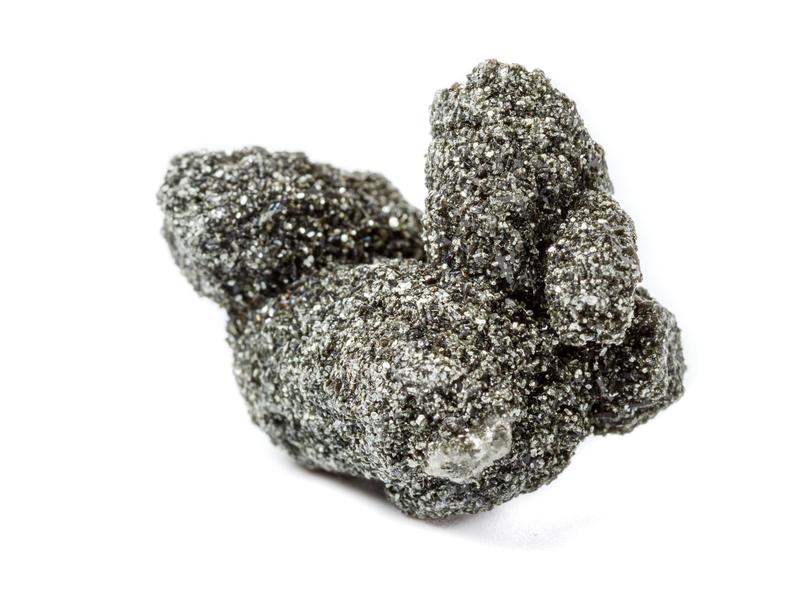
Chlorite Quartz crystal
Heart HealingPatience & EnduranceProtection & Grounding
Crystalis

Protocol

The Green Interior

Clear quartz with green chlorite clouds suspended inside — a crystal that shows you what it looks like when something wild grows within something structured

3 min

  1. 1

    Hold the Chlorite Quartz up to light. Inside the clear quartz host, green chlorite inclusions float like moss in ice, like algae suspended in glass. These are not surface features — they grew inside the crystal during formation, trapped in silica. You are looking at a preserved interior ecology. Rotate the stone and let the green shapes shift perspective.

  2. 2

    The chlorite inclusions are green because of magnesium and iron in their silicate structure. Green is the color of chlorophyll, of forests, of biological growth. But this green is mineral, not biological — it is the earth imitating life. Breathe in through the nose for 5 counts as if inhaling forest air. Exhale for 5 counts. Each breath brings you closer to the green locked inside the stone. Repeat 6 times.

  3. 3

    Place the Chlorite Quartz on your solar plexus — the soft area between the bottom of your ribs. The quartz exterior is vitreous and cool. But inside it, the chlorite is silky and fibrous, like a miniature green garden under glass. Let the stone rest there and imagine the green spreading outward from its position, like moss growing in a terrarium. Not fast. Organic. Quiet.

  4. 4

    Keep the stone on your solar plexus. Consider: the quartz gave structure. The chlorite gave character. Without the quartz, the chlorite would have crumbled. Without the chlorite, the quartz would be ordinary. Scan your own body for this partnership — where structure protects something wild in you. Where discipline holds space for something green and growing. 45 seconds of quiet attention.

Continue in the full protocol below.

tap to flip for protocol

Some growth remains messy because it is alive. People get embarrassed by that and start craving a version of maturity that looks sterilized.

Chlorite quartz never agrees to that bargain. Green chlorite threads or settles through clear quartz like moss, root-work, or old forest suspended in glass. The host stays lucid; the inclusions stay earthy.

Clearer, yes. Untouched, no.

What Your Body Knows

Nervous system states

sympathetic

The phantom structure

Dorsal vagal collapse (developmental arrest/feeling "stuck at an old age"):

dorsal vagal

When dorsal collapse feels like being trapped at a younger developmental stage

Mixed state: sympathetic + dorsal (hypervigilance with emotional numbness):

sympathetic

Ventral vagal maintenance (spiritual growth/self-reflection):

The transparency of quartz combined with the opacity of chlorite creates a visual push-pull within the same crystal

ventral vagal

When already regulated, chlorite quartz supports the deepest contemplative functions of ventral vagal engagement

Transition state: dorsal toward sympathetic (emerging from grief/depression): The precise moment when a nervous system begins to wake from grief; when the first flicker of energy returns after a prolonged shutdown; is fragile. Too much stimulation collapses the system back into dorsal. Chlorite quartz provides a graduated re-entry: the green phantoms introduce color (life, chlorophyll, photosynthesis) within a stable, clear container (quartz). It is growth made visible but not demanding. State shift: early grief emergence supported by graduated vitality within containment.

Nervous system mapping based on polyvagal theory (Porges, 2011).

Mineralogy

Mineral specs

Chemical Formula

SiO2 host crystal with inclusions of chlorite group minerals; general chlorite formula (Mg,Fe,Al)6(Si,Al)4O10(OH)8; most common species in quartz inclusions are clinochlore (Mg-rich) and chamosite (Fe-rich)

Crystal System

Trigonal

Mohs Hardness

2

Specific Gravity

2.65-2.75 (slightly above pure quartz due to chlorite density)

Luster

Vitreous (quartz faces); chlorite inclusions appear silky, matte, or fibrous when visible

Color

Green

ca₁a₂a₃120°Trigonal · Chlorite Quartz

Crystal system diagram represents the general trigonal classification. Diagram created by Crystalis for educational reference.

Traditional Knowledge

Traditions across cultures

Tibetan Buddhist tradition (Himalayas): Chlorite phantom quartz from the Himalayan regions of Tibet, Nepal, and Pakistan holds particular significance in Tibetan Buddhist practice. The visible phantoms are interpreted as representations of past lives visible within the current incarnation; literal manifestations of the Buddhist concept that all previous existences are contained within the present moment. Himalayan chlorite phantoms are used in advanced meditation practices focused on "seeing through" the veils of incarnation (Rapgay, L. "Tibetan Medicine: A Practical and Inspirational Guide to Diagnosing, Treating and Healing the Buddhist Way," 2000, Healing Arts Press).

Brazilian garimpeiro mining culture (Minas Gerais): In the quartz mining regions of Brazil, phantom quartz crystals are called "cristais fantasma" (ghost crystals). Miners traditionally set aside exceptional phantom specimens rather than selling them, believing the visible growth stages hold the record of the mine itself; each phantom marking a geological event that shaped the land they work. This attribution of historical memory to the phantom structure predates New Age crystal healing by decades (Cassedanne, J. P. "The Minas Gerais Pegmatites and Their Minerals," 1978, Mineralogical Record).

Alpine crystal tradition (Austria/Switzerland): In the European Alpine tradition of "Strahler" (crystal hunting), chlorite phantom quartz found in Alpine fissure veins has been collected since medieval times. Swiss and Austrian Strahler valued green phantom specimens as "healing crystals" (Heilkristalle), associating the green color with mountain herbs and the phantom formation with the mountain's "memory." The Austrian Natural History Museum in Vienna houses exceptional chlorite phantom specimens from Alpine localities (Wilson, W. E. "The History of Mineral Collecting," 1994, Mineralogical Record).

Contemporary energy healing (20th-21st century): Chlorite quartz became a cornerstone of crystal healing practice through the work of Katrina Raphaell and Melody in the 1980s-90s. Raphaell specifically identified phantom quartz as tools for "past-life regression" work, while Melody cataloged chlorite inclusions as carriers of "earth healing" energy due to chlorite's association with green (photosynthetic) frequencies. The phantom structure is universally interpreted in this tradition as a record of spiritual growth stages (Melody, "Love Is in the Earth," 1995, Earth Love Publishing).

Unknown

Tibetan Buddhist tradition (Himalayas)

Chlorite phantom quartz from the Himalayan regions of Tibet, Nepal, and Pakistan holds particular significance in Tibetan Buddhist practice. The visible phantoms are interpreted as representations of past lives visible within the current incarnation -- literal manifestations of the Buddhist concept that all previous existences are contained within the present moment. Himalayan chlorite phantoms are used in advanced meditation practices focused on "seeing through" the veils of incarnation (Rapgay, L. "Tibetan Medicine: A Practical and Inspirational Guide to Diagnosing, Treating and Healing the Buddhist Way," 2000, Healing Arts Press). 2. Brazilian garimpeiro mining culture (Minas Gerais): In the quartz mining regions of Brazil, phantom quartz crystals are called "cristais fantasma" (ghost c

When This Stone Finds You

What it says when it arrives

You need a cleaner relationship to growth. Chlorite settles into quartz as mossy green inclusions, earth held inside clarity without muddying it completely. Development is allowed to stay visible.

Somatic protocol

The Green Interior

Clear quartz with green chlorite clouds suspended inside — a crystal that shows you what it looks like when something wild grows within something structured

3 min protocol

  1. 1

    Hold the Chlorite Quartz up to light. Inside the clear quartz host, green chlorite inclusions float like moss in ice, like algae suspended in glass. These are not surface features — they grew inside the crystal during formation, trapped in silica. You are looking at a preserved interior ecology. Rotate the stone and let the green shapes shift perspective.

    1 min
  2. 2

    The chlorite inclusions are green because of magnesium and iron in their silicate structure. Green is the color of chlorophyll, of forests, of biological growth. But this green is mineral, not biological — it is the earth imitating life. Breathe in through the nose for 5 counts as if inhaling forest air. Exhale for 5 counts. Each breath brings you closer to the green locked inside the stone. Repeat 6 times.

    1 min
  3. 3

    Place the Chlorite Quartz on your solar plexus — the soft area between the bottom of your ribs. The quartz exterior is vitreous and cool. But inside it, the chlorite is silky and fibrous, like a miniature green garden under glass. Let the stone rest there and imagine the green spreading outward from its position, like moss growing in a terrarium. Not fast. Organic. Quiet.

    1 min
  4. 4

    Keep the stone on your solar plexus. Consider: the quartz gave structure. The chlorite gave character. Without the quartz, the chlorite would have crumbled. Without the chlorite, the quartz would be ordinary. Scan your own body for this partnership — where structure protects something wild in you. Where discipline holds space for something green and growing. 45 seconds of quiet attention.

    1 min
  5. 5

    Remove the stone. Hold it at eye level one last time. The chlorite has not moved. It will never move. It is permanently hosted, permanently green, permanently interior. Set the stone down and notice that you, too, carry green interior things that will never fully surface — and that is not a problem. It is architecture.

    1 min

The #1 Question

Can Chlorite Quartz go in water?

Water Safety CONDITIONAL -- Brief rinsing only. The host quartz is water-safe, but chlorite inclusions are soft phyllosilicate minerals (Mohs 2--2.5) that can degrade with prolonged water exposure. If the chlorite is fully enclosed within the quartz (no surface-reaching inclusions), brief water cleansing is safe. However, many chlorite quartz specimens have surface chlorite coatings or partially exposed inclusions that WILL degrade in water -- becoming soft, flaky, or discolored. Never soak chlorite quartz. Never use in gem elixirs with direct immersion. For energetic water charging, use the indirect method (stone beside the vessel).

Care and Maintenance

How to care for Chlorite Quartz

Chlorite quartz is water-safe. The quartz host (Mohs 7, SiO2) is fully water-stable. The chlorite inclusions are sealed inside and do not contact water.

Brief to moderate rinse is safe. Recommended cleansing: running water, moonlight, sound, selenite plate. Store normally.

In Practice

How Chlorite Quartz is used

You are healing but the process feels unbearably slow. Chlorite quartz is silicon dioxide with green chlorite mineral inclusions, magnesium iron aluminum silicate. The chlorite entered the quartz during formation, coloring it from the inside.

Mohs 7 on the outside, Mohs 2 on the inclusions inside. The healing is interior. Hold it at the heart.

Green is the color of chlorophyll, the molecule that converts light to energy in every plant on earth. The green in this stone is not chlorophyll, but it is the same visual signal your nervous system associates with living, growing systems.

Verification

Authenticity

Chlorite quartz: green chlorite inclusions should be INSIDE the quartz host, not on the surface. Mohs 7 for the quartz host. The chlorite appears as green wisps, clouds, or phantom layers within transparent quartz.

Surface green that wipes off is not chlorite inclusion; it is coating.

Temperature

Natural Chlorite Quartz should usually feel cooler than plastic or resin on first touch and warm more slowly in the hand.

Scratch logic

Use 2 on the Mohs scale as the check, not internet myths. A real specimen should behave in line with the hardness listed above.

Surface and luster

Look for a vitreous (quartz faces); chlorite inclusions appear silky, matte, or fibrous when visible surface quality rather than a painted or plastic shine.

Weight and density

The listed specific gravity is 2.65-2.75 (slightly above pure quartz due to chlorite density). If a specimen feels unusually light for its size, it may deserve a second look.

Geographic Origins

Where Chlorite Quartz forms in the world

Brazil's Minas Gerais produces the majority of chlorite quartz specimens from hydrothermal veins in pegmatite regions. Madagascar yields specimens with distinctive green phantom inclusions. Nepal's Himalayan deposits produce chlorite quartz from alpine-type fissures at high elevation.

The chlorite was present in the growth environment and became trapped as the quartz grew around it.

FAQ

Frequently asked

What is Chlorite Quartz?

Chlorite Quartz is classified as a "Chlorite Quartz" is a variety name for quartz crystals containing visible chlorite mineral inclusions. When these inclusions coat former crystal surfaces that were later overgrown by additional quartz, they create "phantom" formations -- visible ghost outlines of the crystal's earlier growth stages preserved within the final crystal. The chlorite is NOT chemically bonded to the quartz; it is mechanically trapped during sequential growth events.. Chemical formula: SiO2 host crystal with inclusions of chlorite group minerals -- general chlorite formula (Mg,Fe,Al)6(Si,Al)4O10(OH)8; most common species in quartz inclusions are clinochlore (Mg-rich) and chamosite (Fe-rich). Mohs hardness: 7 (host quartz); chlorite inclusions are 2--2.5 (but protected within quartz matrix). Crystal system: Trigonal (host quartz; space group P3121/P3221) with monoclinic chlorite inclusions (space group C2/m).

What is the Mohs hardness of Chlorite Quartz?

Chlorite Quartz has a Mohs hardness of 7 (host quartz); chlorite inclusions are 2--2.5 (but protected within quartz matrix).

Can Chlorite Quartz go in water?

Water Safety CONDITIONAL -- Brief rinsing only. The host quartz is water-safe, but chlorite inclusions are soft phyllosilicate minerals (Mohs 2--2.5) that can degrade with prolonged water exposure. If the chlorite is fully enclosed within the quartz (no surface-reaching inclusions), brief water cleansing is safe. However, many chlorite quartz specimens have surface chlorite coatings or partially exposed inclusions that WILL degrade in water -- becoming soft, flaky, or discolored. Never soak chlorite quartz. Never use in gem elixirs with direct immersion. For energetic water charging, use the indirect method (stone beside the vessel).

What crystal system is Chlorite Quartz?

Chlorite Quartz crystallizes in the Trigonal (host quartz; space group P3121/P3221) with monoclinic chlorite inclusions (space group C2/m).

What is the chemical formula of Chlorite Quartz?

The chemical formula of Chlorite Quartz is SiO2 host crystal with inclusions of chlorite group minerals -- general chlorite formula (Mg,Fe,Al)6(Si,Al)4O10(OH)8; most common species in quartz inclusions are clinochlore (Mg-rich) and chamosite (Fe-rich).

Is Chlorite Quartz toxic?

If cutting, grinding, or polishing chlorite quartz, the dust contains both crystalline silica (from quartz) and chlorite mineral particles. Silica dust causes silicosis; certain chlorite varieties may contain trace asbestos-form minerals. ALWAYS use wet-cutting methods and NIOSH-approved respiratory protection.

How does Chlorite Quartz form?

Formation Story Chlorite quartz crystals form in hydrothermal vein systems where silica-rich fluids circulate through fractures in metamorphic and igneous rocks at temperatures typically between 150--350 degrees C. The phantom formation requires a specific sequence of geological events: first, a quartz crystal grows in a fluid-filled cavity. Then, growth pauses -- perhaps because the hydrothermal fluid chemistry changes, temperature drops, or the vein is temporarily sealed by tectonic activity.

References

Sources and citations

  1. . [SCI]

    DOI: 10.1155/2018/6958260

  2. . [SCI]

    DOI: 10.1002/jrs.6596

Closing Notes

Chlorite Quartz

Green chlorite trapped inside clear quartz during growth. The inclusion was there first. The quartz grew around it.

The science documents mineral preservation through encapsulation. The practice asks what it means to carry something green and living sealed inside something clear and permanent.

Bring it into practice

What to do with Chlorite Quartz next

Move from reference to ritual. Search current inventory for Chlorite Quartz, build a custom bracelet, or let Sacred Match choose the right supporting stones for you.

Community notes

Threads under Chlorite Quartz

Open all chats

Shared field notes tied to Chlorite Quartz appear here, including notes saved from practice.

No shared notes under Chlorite Quartz yet.

When members save a public field note for this stone, it will appear here.

The archive

Related crystals

Read the Full Crystal Guide

Continue through stones that share intention, chakra focus, or tonal family with Chlorite Quartz.