Materia Medica
Graphic Granite
The Written Stone
This page documents traditional and cultural uses of graphic granite alongside emerging research on tactile grounding objects. Crystalis does not claim that graphic granite treats, cures, or prevents any medical condition. For mental health concerns, consult a qualified professional.
Origins: Worldwide
Materia Medica
The Written Stone
Protocol
Intergrowth of monoclinic feldspar and trigonal quartz crystallized simultaneously into patterns resembling cuneiform script — two minerals writing the same sentence in different crystal systems, teaching the body that expression requires partnership between structure and flow.
3 min
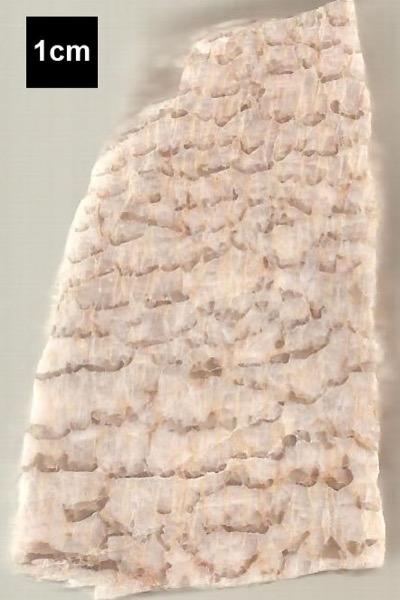
Hold the graphic granite and look at the surface. The angular, runic-looking patterns are not carved — they are the natural result of feldspar (KAlSi3O8, monoclinic or triclinic) and quartz (SiO2, trigonal) crystallizing simultaneously from the same magmatic melt. The quartz appears as dark angular shapes embedded in the lighter feldspar, or vice versa. Two minerals, two crystal systems, one simultaneous script. Trace a 'letter' with your fingertip.
Place the graphic granite flat against your throat, just above the collarbones. At Mohs 6 (feldspar controls the hardness; the quartz is 7 but the feldspar dominates the surface), it is firm and cool. The vitreous-to-pearly luster on the feldspar faces catches light differently than the vitreous quartz. Your throat is where language forms. This stone is where geological language formed — not metaphorically. The patterns literally resemble ancient writing.
Breathe in through the nose for four counts. On the exhale, whisper a single word — any word, the first one that comes. Inhale again. Whisper a different word. Four breaths, four whispered words. Do not plan them. The graphic granite script was not planned — it emerged from simultaneous crystallization. Let your words emerge from the same unplanned source.
Ask: What is trying to be written through me that I keep editing before it reaches the surface? The feldspar and quartz in graphic granite did not revise their intergrowth pattern. They crystallized as they cooled. The script is first-draft geology. Notice where in your body you feel the urge to edit versus the freedom to crystallize as-is.
Continue in the full protocol below.
tap to flip for protocol
There are seasons when the life feels too domestic, too ordinary, too granular to contain any real revelation. And then pattern starts appearing inside the repetition, not as a miracle exactly, but as a script you had not learned how to read.
Graphic granite makes that sensation concrete. Quartz and feldspar intergrow in angular patterns that resemble cuneiform or runic writing cut through stone. Nothing has literally been written there. The pattern emerges from the interlock itself, from structure behaving like text.
Graphic granite belongs to people learning to recognize meaning in the given life rather than in a more glamorous alternative.
Sometimes the stone is already recording itself. The task is to learn how to look.
What Your Body Knows
sympathetic
Dorsal vagal collapse (learned silence/voice suppression):
dorsal vagal
Mixed state: sympathetic + dorsal (saying one thing, meaning another):
sympathetic
The incongruence between spoken words and felt truth creates a nervous system split where sympathetic energy powers the performance while dorsal numbness disconnects from authentic expression. Graphic granite models integrated communication: two minerals (quartz and feldspar) expressing simultaneously through a unified structure. Neither mineral hides behind the other. State shift: incongruent expression toward integrated authenticity. 4.
ventral vagal
Sympathetic depletion (information overload/decision fatigue): When the nervous system has processed too many inputs and can no longer organize information into meaningful patterns, graphic granite offers a visual rest that is paradoxically stimulating. The stone presents complexity (angular intergrowths of two minerals) that resolves into elegant pattern (script-like regularity). This models the sorting the depleted mind needs but cannot perform. State shift: chaotic depletion toward pattern recognition and cognitive reorganization.
Nervous system mapping based on polyvagal theory (Porges, 2011).
The Earth Made This
Graphic granite is a pegmatitic rock consisting of an intergrowth of potassium feldspar (typically microcline) and quartz, where the quartz forms angular, wedge-shaped inclusions arranged in a regular geometric pattern that resembles cuneiform or Hebrew script. The texture forms through simultaneous crystallization of feldspar and quartz at the eutectic point of the granite system (approximately 960°C at typical pressures), where both minerals crystallize together from the same melt.
The quartz grows along specific crystallographic planes of the feldspar host, producing the characteristic angular pattern. Graphic granite is one of the most visually distinctive igneous textures and occurs in pegmatites worldwide.
Mineralogy
Chemical Formula
KAlSi3O8 + SiO2; intergrowth of potassium feldspar (orthoclase or microcline) and quartz
Crystal System
Not Applicable As A Single System (Aggregate Intergrowth). Constituent Minerals: Orthoclase/Microcline (Monoclinic/Triclinic), Quartz (Trigonal)
Mohs Hardness
6
Specific Gravity
2.55-2.65
Luster
Vitreous to pearly on feldspar surfaces; vitreous on quartz surfaces
Color
White-Pink
Traditional Knowledge
Norse runic tradition (Scandinavia): In Scandinavia, where graphic granite is abundant in the Precambrian pegmatite provinces, medieval Norse carvers recognized the resemblance between the stone's natural markings and their runic alphabet. The Old Norse concept of "rune" itself means "secret" or "whisper"; and stones bearing natural script-like markings were considered carriers of primordial knowledge from before human language. Archaeological evidence from Sweden and Norway documents graphic granite specimens in ritual contexts alongside carved rune stones, suggesting the natural "writing" was considered sacred (Simek, R., "Dictionary of Northern Mythology," 1993, D.S. Brewer).
Ancient Mesopotamian parallel (cuneiform): While there is no direct documented use of graphic granite in Mesopotamian culture, the remarkable visual similarity between graphic granite's quartz inclusions and Sumerian cuneiform script has been noted by mineralogists since at least the 18th century. The German mineralogist Abraham Gottlob Werner, who formalized many mineral names, specifically chose the term "graphic" (from Greek "graphein," to write) because the stone appeared to bear writing. This cross-cultural resonance between Earth's mineral script and humanity's oldest writing system continues to fascinate researchers in both geology and semiotics.
Hindu Vedic tradition (India): In Rajasthan, India, where graphic granite is quarried from Aravalli Range pegmatites, local stone carvers and temple builders have historically recognized the script-like patterns as "Brahma Lipi"; the writing of Brahma, the creator deity. Uncut graphic granite slabs were occasionally incorporated into temple foundations as a form of divine inscription, the idea being that the temple rested upon words written by the Earth itself.
Contemporary crystal practice (20th-21st century): Graphic granite entered the Western metaphysical market primarily through Scandinavian and Brazilian mineral dealers in the 1990s. It is commonly sold as "Written Stone" or "Chinese Writing Stone" (though the latter technically refers to a different material; porphyry with feldspar phenocrysts). In contemporary practice, it is associated with the throat chakra, creative expression, and connection to ancient wisdom (Simmons, R., "The Book of Stones," 2005, Heaven and Earth Publishing).
Norse runic tradition (Scandinavia)
In Scandinavia, where graphic granite is abundant in the Precambrian pegmatite provinces, medieval Norse carvers recognized the resemblance between the stone's natural markings and their runic alphabet. The Old Norse concept of "rune" itself means "secret" or "whisper" -- and stones bearing natural script-like markings were considered carriers of primordial knowledge from before human language. Archaeological evidence from Sweden and Norway documents graphic granite specimens in ritual contexts alongside carved rune stones, suggesting the natural "writing" was considered sacred (Simek, R., "Dictionary of Northern Mythology," 1993, D.S. Brewer). 2. Ancient Mesopotamian parallel (cuneiform): While there is no direct documented use of graphic granite in Mesopotamian culture, the remarkable vi
When This Stone Finds You
Somatic protocol
Intergrowth of monoclinic feldspar and trigonal quartz crystallized simultaneously into patterns resembling cuneiform script — two minerals writing the same sentence in different crystal systems, teaching the body that expression requires partnership between structure and flow.
3 min protocol
Hold the graphic granite and look at the surface. The angular, runic-looking patterns are not carved — they are the natural result of feldspar (KAlSi3O8, monoclinic or triclinic) and quartz (SiO2, trigonal) crystallizing simultaneously from the same magmatic melt. The quartz appears as dark angular shapes embedded in the lighter feldspar, or vice versa. Two minerals, two crystal systems, one simultaneous script. Trace a 'letter' with your fingertip.
40 secPlace the graphic granite flat against your throat, just above the collarbones. At Mohs 6 (feldspar controls the hardness; the quartz is 7 but the feldspar dominates the surface), it is firm and cool. The vitreous-to-pearly luster on the feldspar faces catches light differently than the vitreous quartz. Your throat is where language forms. This stone is where geological language formed — not metaphorically. The patterns literally resemble ancient writing.
35 secBreathe in through the nose for four counts. On the exhale, whisper a single word — any word, the first one that comes. Inhale again. Whisper a different word. Four breaths, four whispered words. Do not plan them. The graphic granite script was not planned — it emerged from simultaneous crystallization. Let your words emerge from the same unplanned source.
40 secAsk: What is trying to be written through me that I keep editing before it reaches the surface? The feldspar and quartz in graphic granite did not revise their intergrowth pattern. They crystallized as they cooled. The script is first-draft geology. Notice where in your body you feel the urge to edit versus the freedom to crystallize as-is.
40 secRemove the stone from your throat. Hold it at reading distance and look at the script one more time. You cannot read it. No one can — it is mineralogical, not linguistic. But the pattern is undeniably language-like. Set it down. Some things that look like communication are actually just two systems crystallizing together. That is also worth saying.
25 secCare and Maintenance
Graphic granite is water-safe. Composed of feldspar (Mohs 6) and quartz (Mohs 7), both durable and chemically stable. Brief to moderate water contact is completely safe.
This is a tough rock, not a fragile crystal. Recommended cleansing: running water, moonlight, sound, smoke, selenite plate. Store normally.
In Practice
You need to read the pattern in a situation that looks chaotic. Graphic granite is an intergrowth of quartz and feldspar where the quartz forms angular shapes that resemble cuneiform writing. The pattern is not random.
It formed because the two minerals crystallized simultaneously from the same melt at a precise temperature. Mohs 6. Hold it during pattern recognition work.
The "writing" in the stone was not inscribed. It emerged from physics. The pattern you are looking for in your situation may also be structural, not intentional.
Verification
Graphic granite: the angular quartz inclusions in feldspar should show a regular, script-like pattern (resembling cuneiform writing). This eutectic intergrowth texture is natural and not easily replicated. Mohs 6-7 (depending on which mineral you test).
The pattern extends through the entire rock, not just the surface.
Natural Graphic Granite should usually feel cooler than plastic or resin on first touch and warm more slowly in the hand.
Use 6 on the Mohs scale as the check, not internet myths. A real specimen should behave in line with the hardness listed above.
Look for a vitreous to pearly on feldspar surfaces; vitreous on quartz surfaces surface quality rather than a painted or plastic shine.
The listed specific gravity is 2.55-2.65. If a specimen feels unusually light for its size, it may deserve a second look.
Geographic Origins
Graphic granite occurs worldwide in pegmatites. The eutectic intergrowth of quartz and feldspar is a common late-stage crystallization product. Notable specimens come from Norway, Maine (USA), and various pegmatite provinces globally.
The script-like pattern forms wherever quartz and feldspar solidify simultaneously at the eutectic temperature.
FAQ
Graphic Granite is classified as a Graphic granite is NOT a true granite in the strict petrological sense -- it is a specific textural variety found within granitic pegmatites. The term "graphic" derives from the Latin "graphium" (stylus) because the angular quartz inclusions within the feldspar matrix resemble ancient cuneiform or Hebrew script. This texture is also called "pegmatite graphic intergrowth" or "graphic texture." The quartz and feldspar crystallized simultaneously from the same silicate melt in a eutectic relationship, producing the distinctive angular, script-like pattern (London, 2014; Cao et al., 2018).. Chemical formula: KAlSi3O8 + SiO2 -- intergrowth of potassium feldspar (orthoclase or microcline) and quartz. Mohs hardness: 6--7 (feldspar 6, quartz 7). Crystal system: Not applicable as a single system (aggregate intergrowth). Constituent minerals: orthoclase/microcline (monoclinic/triclinic), quartz (trigonal).
Graphic Granite has a Mohs hardness of 6--7 (feldspar 6, quartz 7).
Water Safety YES -- generally safe for brief contact. Both orthoclase feldspar and quartz are physically stable in water. The intergrowth boundary between the two minerals can be microscopically porous in some specimens, so prolonged soaking is not recommended for display-quality pieces (surface dulling may occur). Brief rinsing for cleaning is acceptable. Do not use in gem elixirs (indirect method only, stone beside vessel) as a precaution, since some pegmatite minerals contain trace rare-earth elements that have not been tested for aqueous leaching.
Graphic Granite crystallizes in the Not applicable as a single system (aggregate intergrowth). Constituent minerals: orthoclase/microcline (monoclinic/triclinic), quartz (trigonal).
The chemical formula of Graphic Granite is KAlSi3O8 + SiO2 -- intergrowth of potassium feldspar (orthoclase or microcline) and quartz.
Cutting or grinding graphic granite produces mixed silicate dust containing crystalline silica (quartz). Quartz dust is a serious respiratory hazard and can cause silicosis with chronic exposure. Always use wet-cutting methods and NIOSH-approved respiratory protection.
Formation Story Graphic granite forms through one of the most remarkable crystallization processes in geology: eutectic crystallization from a pegmatitic melt. When granitic magma is enriched in water, boron, fluorine, lithium, and other volatile fluxing components, it forms a pegmatite -- a rock characterized by exceptionally large crystals. The graphic texture develops when the residual melt reaches the eutectic composition for the quartz-feldspar system, meaning both minerals begin to crystal
References
. [SCI]
DOI: 10.1002/gj.4601
. [SCI]
DOI: 10.1111/jmg.12447
. [SCI]
Closing Notes
Quartz and feldspar intergrown in a pattern that looks like written script. Eutectic crystallization, both minerals solidifying simultaneously at the same temperature. The science documents co-crystallization.
The practice asks what emerges when two different materials arrive at the same conclusion at the same moment.
Bring it into practice
Move from reference to ritual. Search current inventory for Graphic Granite, build a custom bracelet, or let Sacred Match choose the right supporting stones for you.
Community notes
Shared field notes tied to Graphic Granite appear here, including notes saved from practice.
When members save a public field note for this stone, it will appear here.
The archive
Continue through stones that share intention, chakra focus, or tonal family with Graphic Granite.

Shared intention: Structure & Discipline
The Staircase of Order
Shared intention: Breaking Stagnation
The Red Ignition
Shared intention: Structure & Discipline
The Pattern Dissolver

Shared intention: Communication & Truth
The Bright Spark of Expression

Shared intention: Creativity
The Iridescent Architect

Shared intention: Breaking Stagnation
The Catalyst of Change